Veneers are a popular cosmetic option for patients who want a brighter, more even, and more natural-looking smile. At Diamond Dental Arts, we plan veneers carefully so your results look beautiful, feel comfortable, and still support long-term oral health.
Call or text: (941) 637-0101
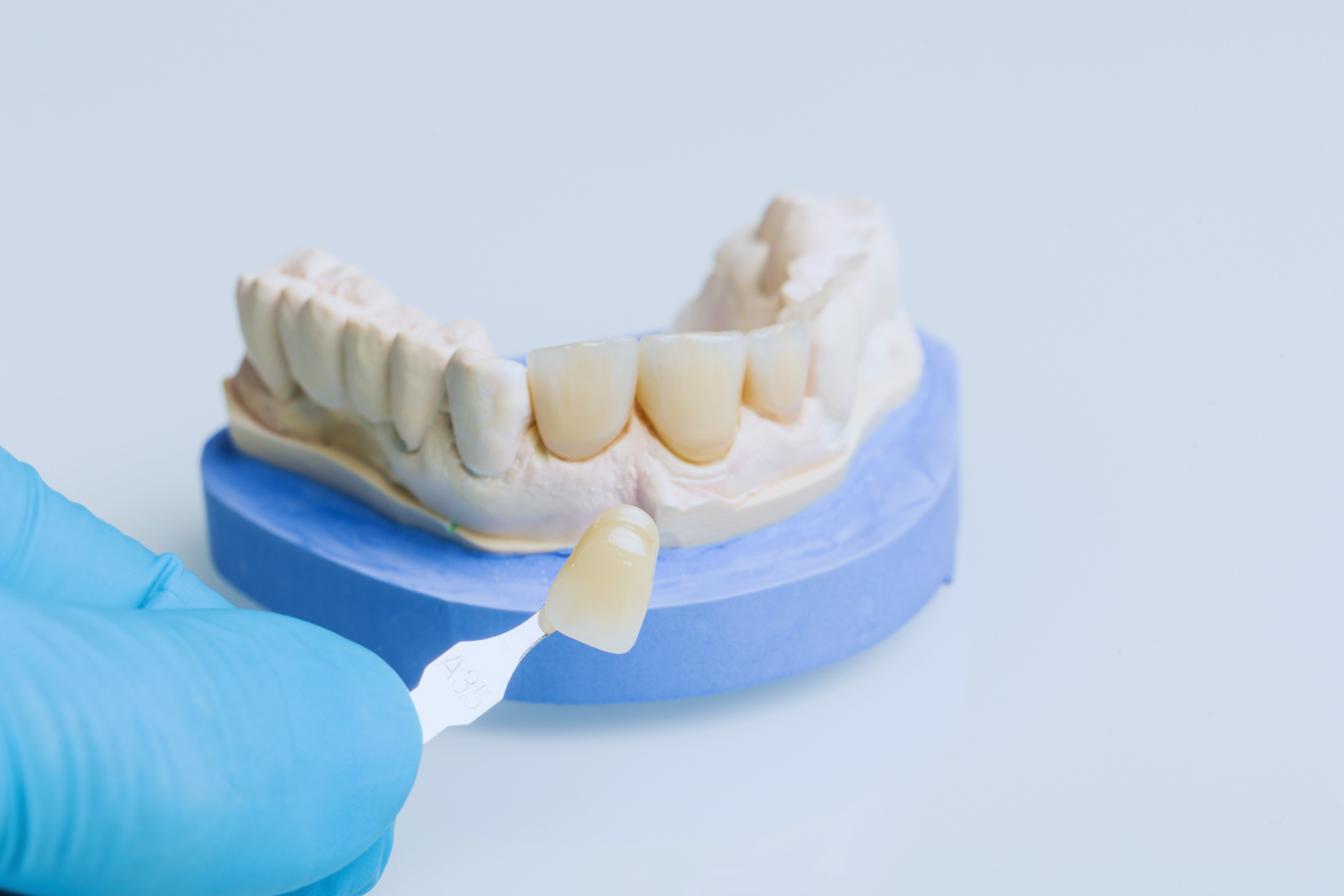
Veneers are ultra-thin restorations that bond to the front (visible) surface of a tooth to improve its appearance. They are most commonly made from porcelain because it reflects light in a way that looks very natural and stays bright for years. In some cases, veneers can also be made from tooth-colored composite material, but porcelain typically offers stronger stain resistance and longer-lasting esthetics.
Veneers are often used to enhance teeth that look stained, uneven, chipped, slightly spaced, or have older fillings that don’t blend well with natural enamel. The goal is a smile that looks balanced and realistic—not “fake” or bulky.
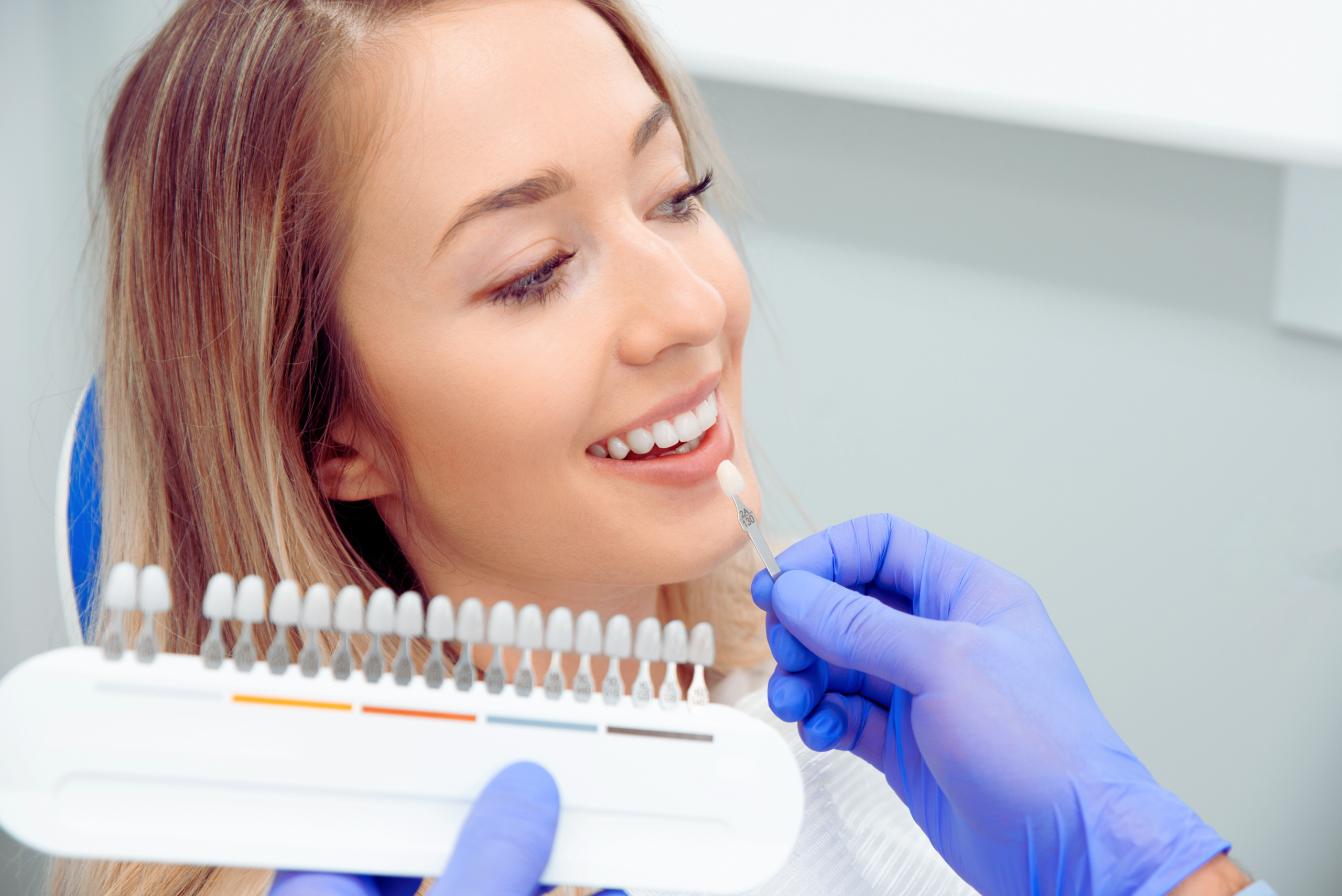
Veneers are usually recommended for cosmetic improvements when your teeth are otherwise healthy and stable. They are a great choice if whitening alone doesn’t give you the color you want, if the tooth shape feels off, or if small chips and worn edges affect your smile.
Because veneers can be conservative, many cases require minimal tooth shaping—and in some situations, very little reduction is needed. After planning and preparation, the porcelain laminates are bonded permanently for a secure, comfortable fit.
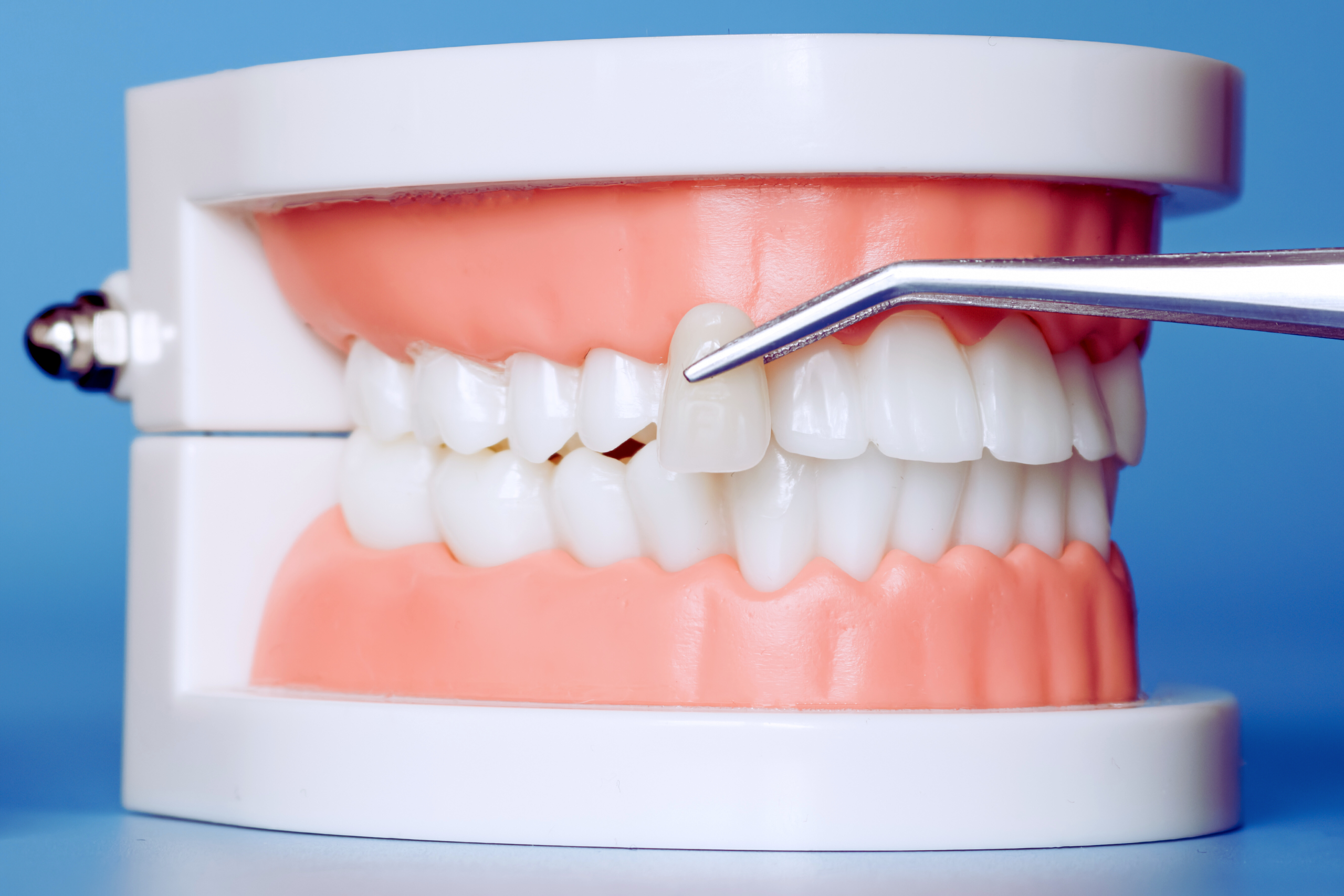
Veneers and crowns can both improve a smile, but they are not the same treatment. A crown covers the entire tooth and is often recommended when a tooth is cracked, heavily filled, or structurally weak—because it adds protection. Veneers cover only the front portion of the tooth and are used primarily to enhance appearance rather than reinforce the tooth.
During your exam, we’ll explain which option best fits your tooth structure, bite forces, and long-term goals.
Veneers are strong, but they are not indestructible. To help them last, avoid chewing on very hard items (like ice or bones) and be careful with sticky foods that can place extra stress on the edges.
If you clench or grind your teeth, a night guard is strongly recommended. Grinding can put heavy force on veneers and may cause chipping or loosening over time.
Veneers don’t get cavities—but the natural tooth underneath can. Brush and floss daily and keep regular professional cleanings so we can monitor the margins where the veneer meets the tooth. Over time, gum recession can expose natural tooth structure, which is why veneers are often replaced after many years depending on your mouth and your hygiene.
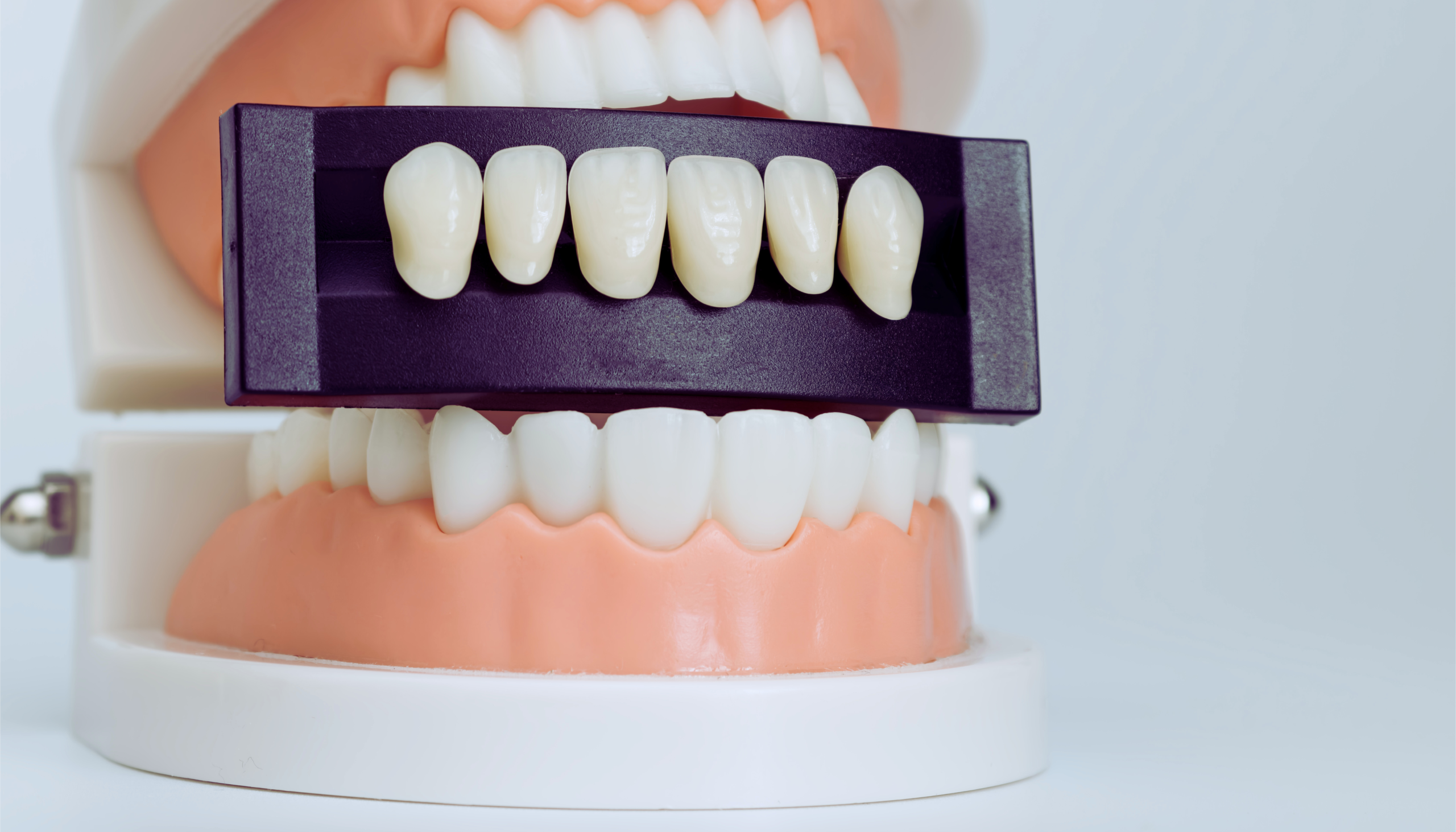
The veneer timeline depends on how many teeth are involved and the complexity of the design. Most cases include a preparation visit (where teeth are shaped as needed and temporaries may be placed) and a second visit to bond the final veneers.
If your case includes additional planning—such as shade refinement, bite adjustments, or a smile preview—your timeline may be slightly longer. We’ll give you a clear schedule during your consultation.
Many patients prefer to spread payments over time for cosmetic care. We work with financing partners that can offer flexible plans, and some options may include promotional 0% interest periods depending on approval. These platforms are typically simple to apply for, and early payoff is usually allowed without penalties.
In most cases, veneers are considered elective cosmetic treatment, so dental insurance typically does not cover them. However, every plan is different, and we can help you review benefits if there is any uncertainty based on your situation.
The best first step is a consultation so we can evaluate your teeth, discuss your goals, and confirm whether veneers are the right fit. If veneers are not ideal for your mouth (for example, because of heavy grinding or structural concerns), we’ll review alternative options to help you reach the smile you want safely.
Questions or ready to schedule, call (941) 637-0101