
Tooth cavities are areas of decay that develop when bacteria and acids weaken the tooth over time. At Diamond Dental Arts, we focus on early detection and conservative treatment so small problems don’t turn into painful emergencies.
Call or text: (941) 637-0101
A dental cavity is an area of tooth decay. It forms when bacteria in the mouth create acids that weaken the tooth surface. Over time, that weakened spot can turn into a small hole and the damage can move deeper into the tooth if it isn’t treated.
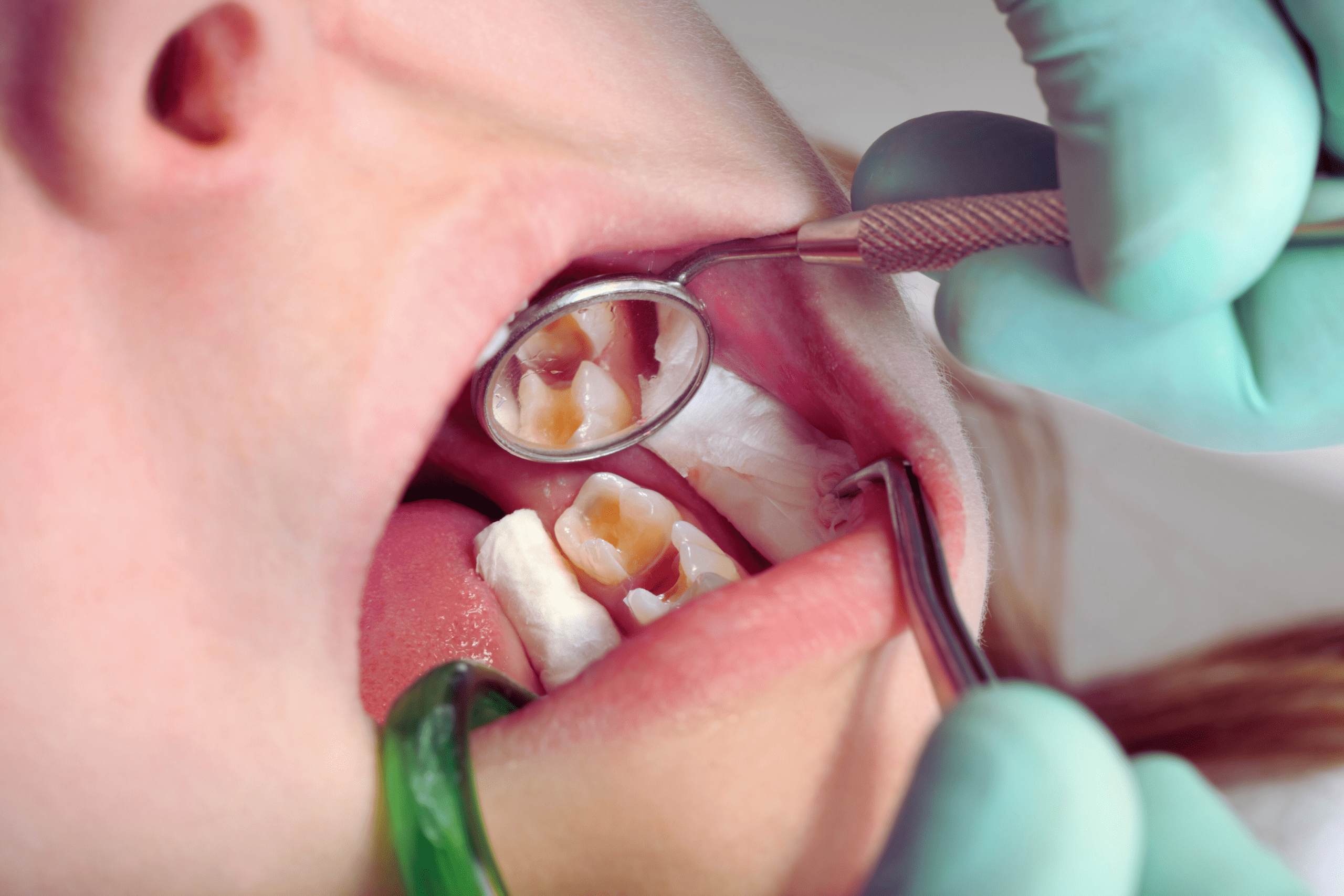
Cavities are mainly caused by bacteria and plaque buildup. When teeth are not cleaned well, plaque stays on the enamel and acids continue to attack the tooth. Diet also makes a big difference, especially frequent snacking, sugary foods, and acidic drinks like soda and sports drinks.
Dry mouth can also increase cavity risk because saliva helps neutralize acids and rinse away bacteria. Certain medications, mouth breathing, and some medical conditions may reduce saliva and make decay more likely.
Frequent sugar or acid exposure, skipping flossing, dry mouth, and irregular dental visits can all increase the chance of developing cavities.
We typically find cavities in two ways. First, x-rays help us detect decay between teeth or under existing restorations that may not be visible during a simple look. Second, we perform a clinical exam by drying the tooth and checking for soft spots, tiny openings, and early changes in the enamel.
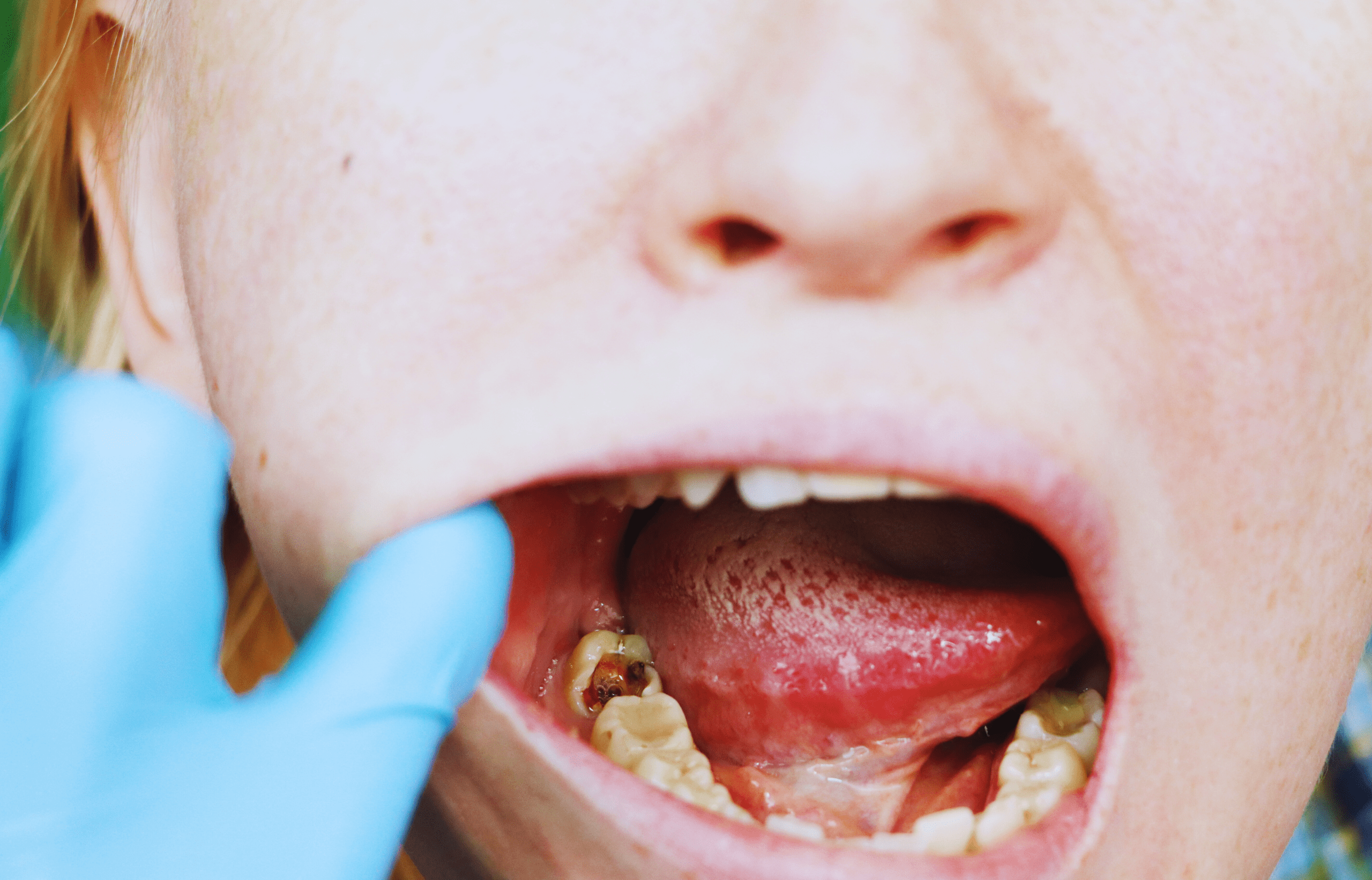
Cavities usually start on the enamel, which is the hard outer layer. If caught early, enamel demineralization can sometimes be slowed or stabilized with improved home care and fluoride support.
Once decay reaches the dentin (the softer layer under the enamel), it tends to spread faster and typically needs a filling. If the decay reaches the nerve, symptoms can become severe and the tooth may require root canal treatment to save it. In the final stage, the tooth may be too damaged to repair and extraction may be necessary.
Decay itself is not like a “virus,” but the bacteria that contribute to cavities can move around the mouth and can be shared through close contact. That’s one reason why consistent hygiene and routine dental visits matter for everyone in the household.
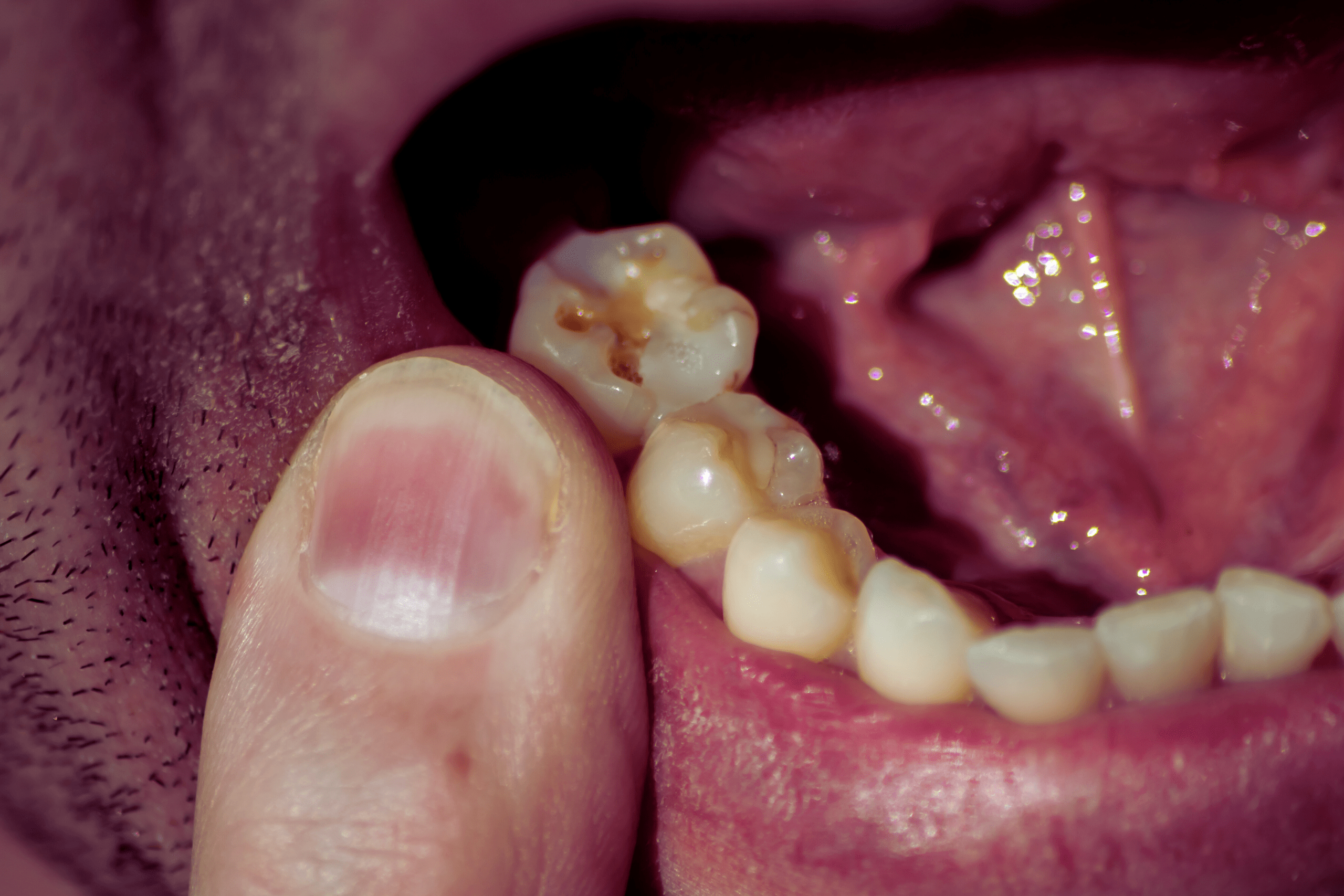
A true cavity (a hole in the tooth) does not heal on its own. Very early enamel changes may be improved with better brushing, flossing, and fluoride, but once the damage has moved deeper into the tooth, treatment is usually required to stop it from progressing.
Yes. Professional cleanings remove hardened buildup and reduce the overall bacterial load in the mouth. Cleanings also give us a chance to spot early decay, review your home-care routine, and recommend fluoride or other prevention strategies if you are at higher risk.
If you notice sensitivity, food getting stuck, a rough spot, discoloration, or a toothache, don’t wait for it to worsen. The earlier we evaluate a concern, the easier (and usually smaller) the treatment can be. Routine checkups are also important because many cavities start without pain.
Questions or ready to schedule, call (941) 637-0101