

Root canal therapy is designed to save a natural tooth when the nerve inside the tooth is infected, irritated, or badly damaged. With modern techniques, treatment is comfortable, predictable, and helps you avoid extraction.
Call or text: (941) 637-0101
Inside every tooth is soft tissue (the pulp) that contains nerves and blood supply. When that tissue becomes infected or severely inflamed—often due to deep decay, a crack, or trauma—pain can escalate quickly. Root canal treatment removes the infected tissue, disinfects the inside of the tooth, and seals it to protect it long-term.
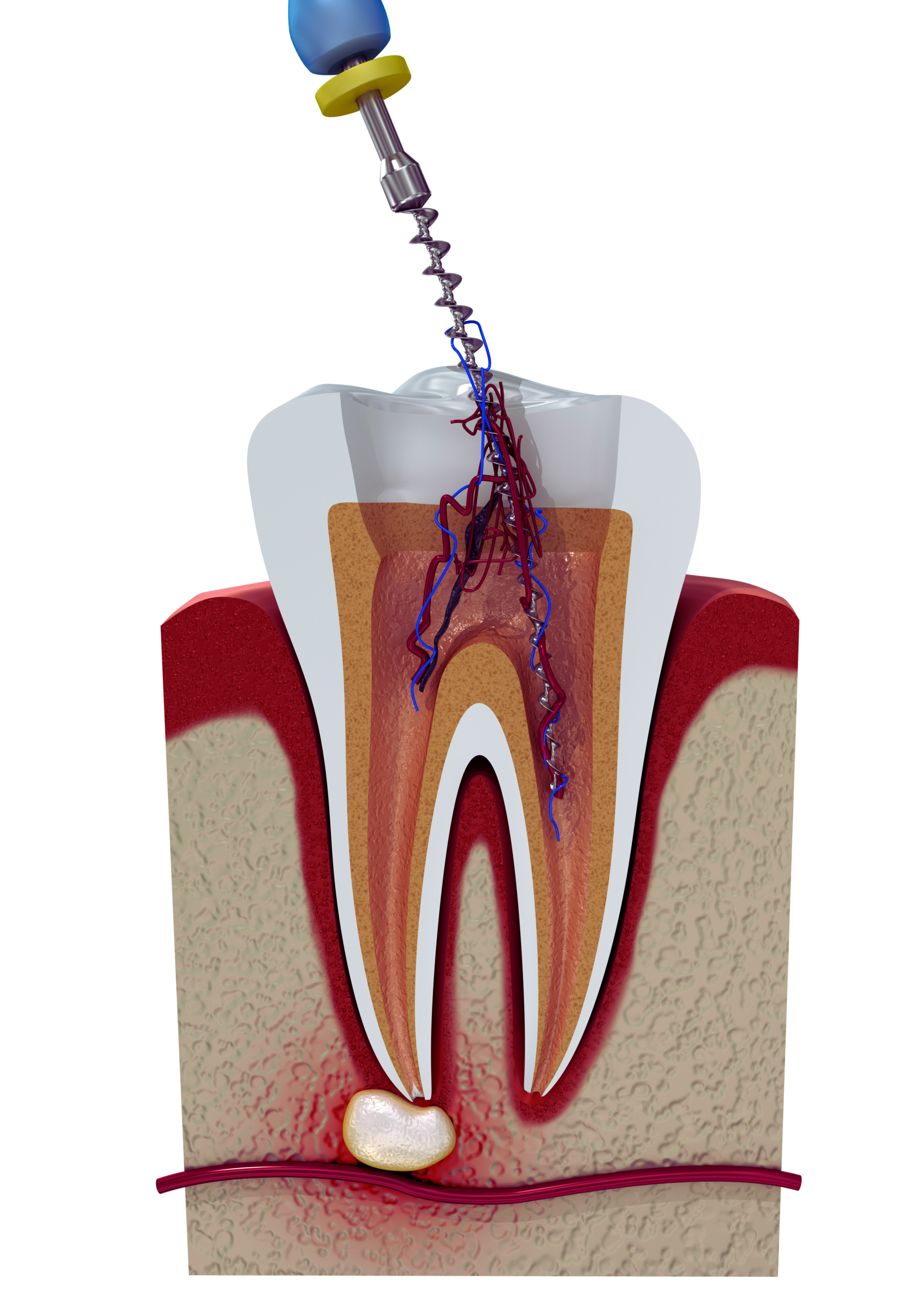
Not every toothache means you need a root canal, but certain symptoms are strong warning signs that the nerve may be involved. The most common ones include lingering hot/cold sensitivity, sharp pain when biting, spontaneous throbbing, or swelling near the tooth.
Patients often describe pain that comes “out of nowhere,” sensitivity that lasts longer than expected, or a small pimple-like bump on the gum that may drain. Any of these can indicate infection in the root.
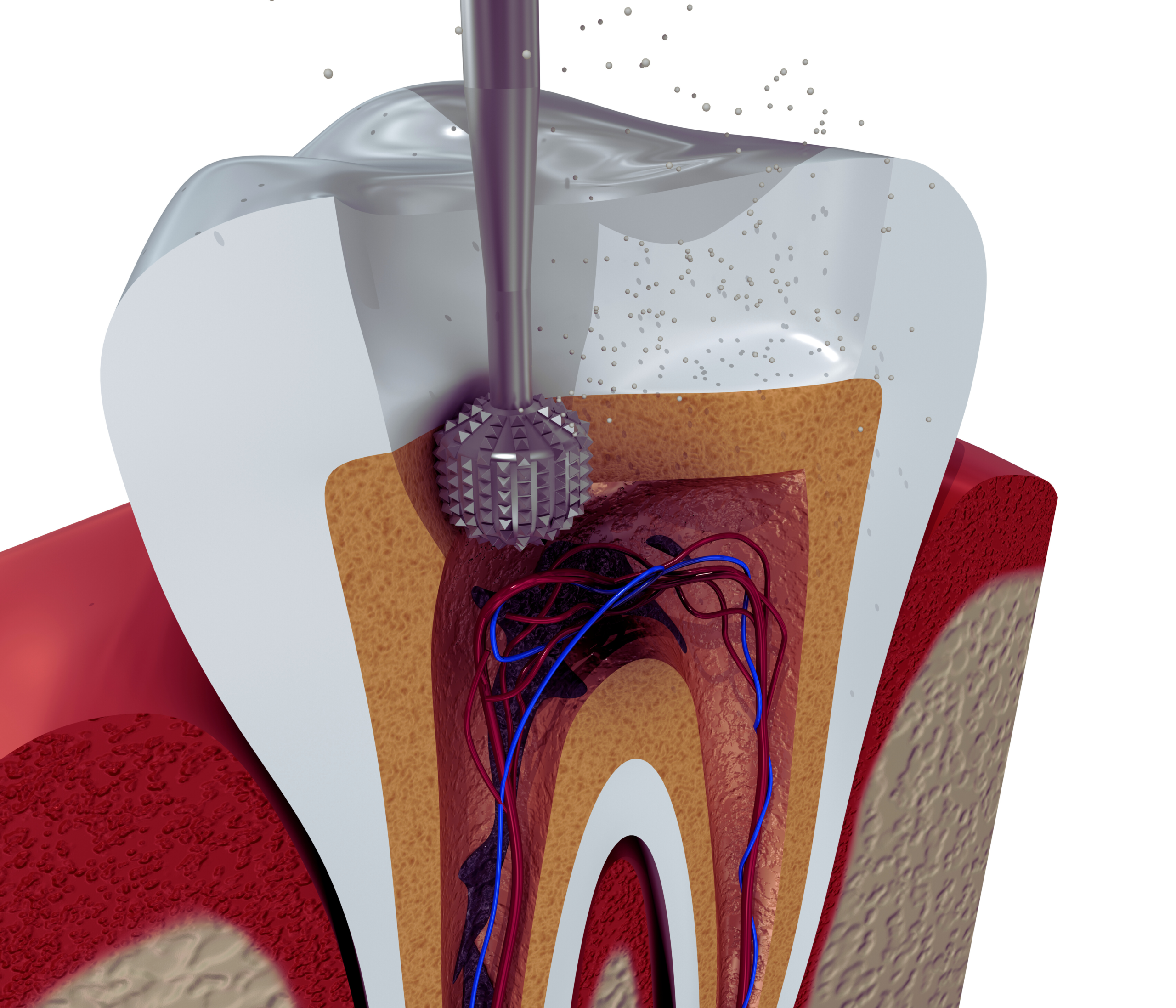
If a nerve infection is left untreated, it does not “heal on its own.” The infection can grow, create an abscess, and spread into surrounding bone and tissues. Treating early often means a smoother procedure, faster relief, and a better chance of saving the tooth.
Root canal treatment is performed with strong local anesthesia so you remain comfortable. Once the area is fully numb, we create a small access opening, remove the damaged tissue, clean and disinfect the canals, and then seal the space with a biocompatible filling material.
1) Numb the tooth and surrounding area for comfort
2) Access the inside of the tooth and remove infected tissue
3) Disinfect and shape the canals for a tight seal
4) Fill and seal the canals to prevent reinfection
5) Restore the tooth (often with a crown) for strength
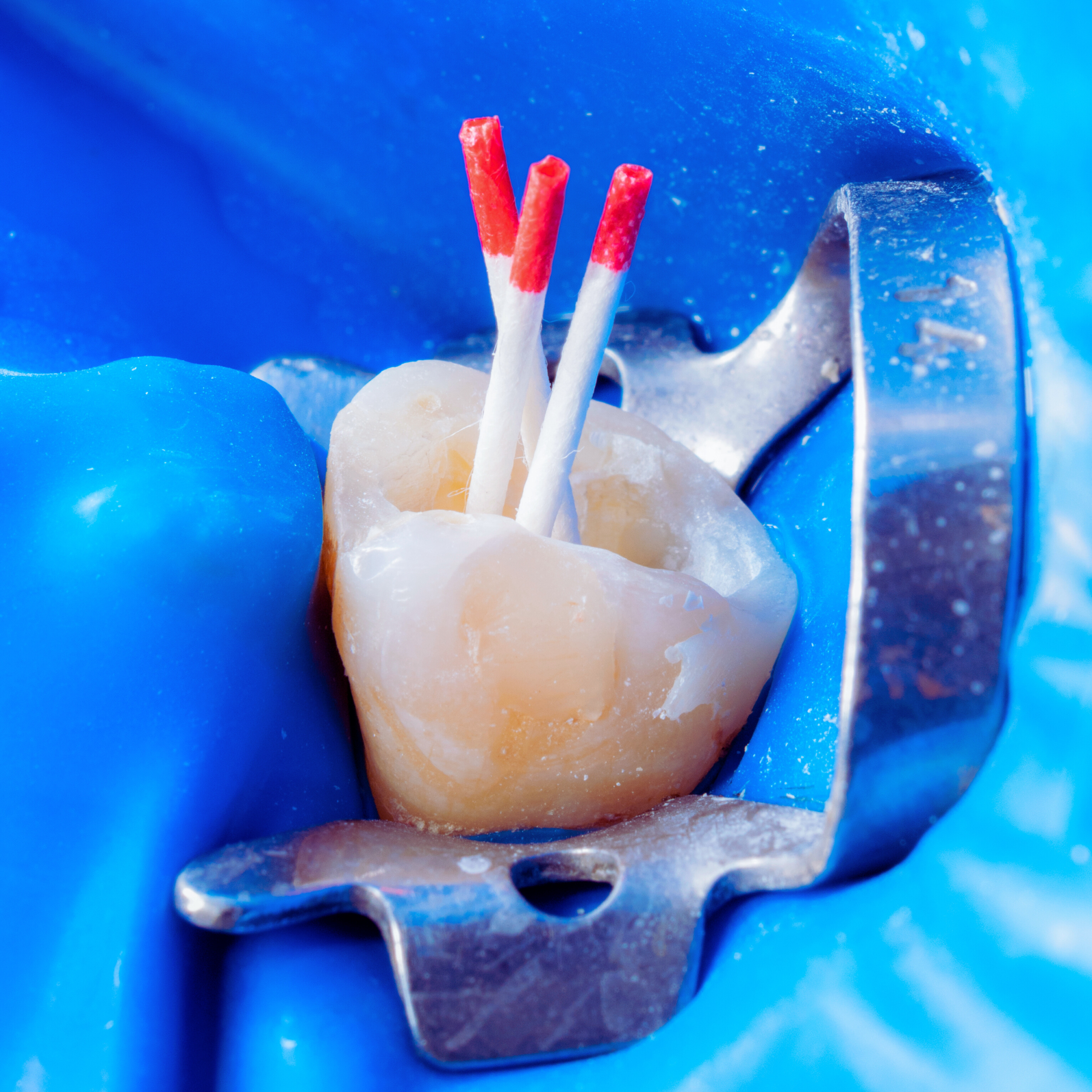
Most patients say the procedure feels easier than they expected. Mild soreness is normal for a short time, especially when chewing, but it typically improves quickly. Over-the-counter pain relief is often enough, and we’ll give you specific instructions based on your case.
While the tooth is healing—and especially if a temporary restoration is in place—avoid chewing hard foods on that side. Keep brushing and flossing gently, and follow up as recommended so your final restoration can be completed.
After a root canal, the tooth can become more brittle over time. A crown helps “cap” the tooth, distributes chewing forces more evenly, and lowers the risk of future fractures. Protecting the tooth after treatment is a key part of long-term success.
In some situations, the tooth may be too compromised to restore predictably (for example, a severe crack below the gum line). If saving the tooth is not possible, extraction followed by a dental implant can be an excellent long-term solution. We will explain what we see, show your images, and walk you through the best options for your health.
Questions or ready to schedule, call (941) 637-0101