
Restorative dentistry focuses on repairing damaged teeth and replacing missing teeth so you can chew comfortably, speak clearly, and feel confident in your smile again. At Diamond Dental Arts, we use restorative care to bring back function, protect your bite, and help prevent future dental problems caused by gaps, fractures, or decay.
Call or text: (941) 637-0101
Restorative dentistry is the area of dental care focused on repairing teeth that are worn, broken, or affected by decay, and replacing teeth that are missing. Common restorative solutions include fillings, crowns, bridges, and implants. The overall goal is simple: restore comfortable function and a natural looking smile while protecting long term oral health.
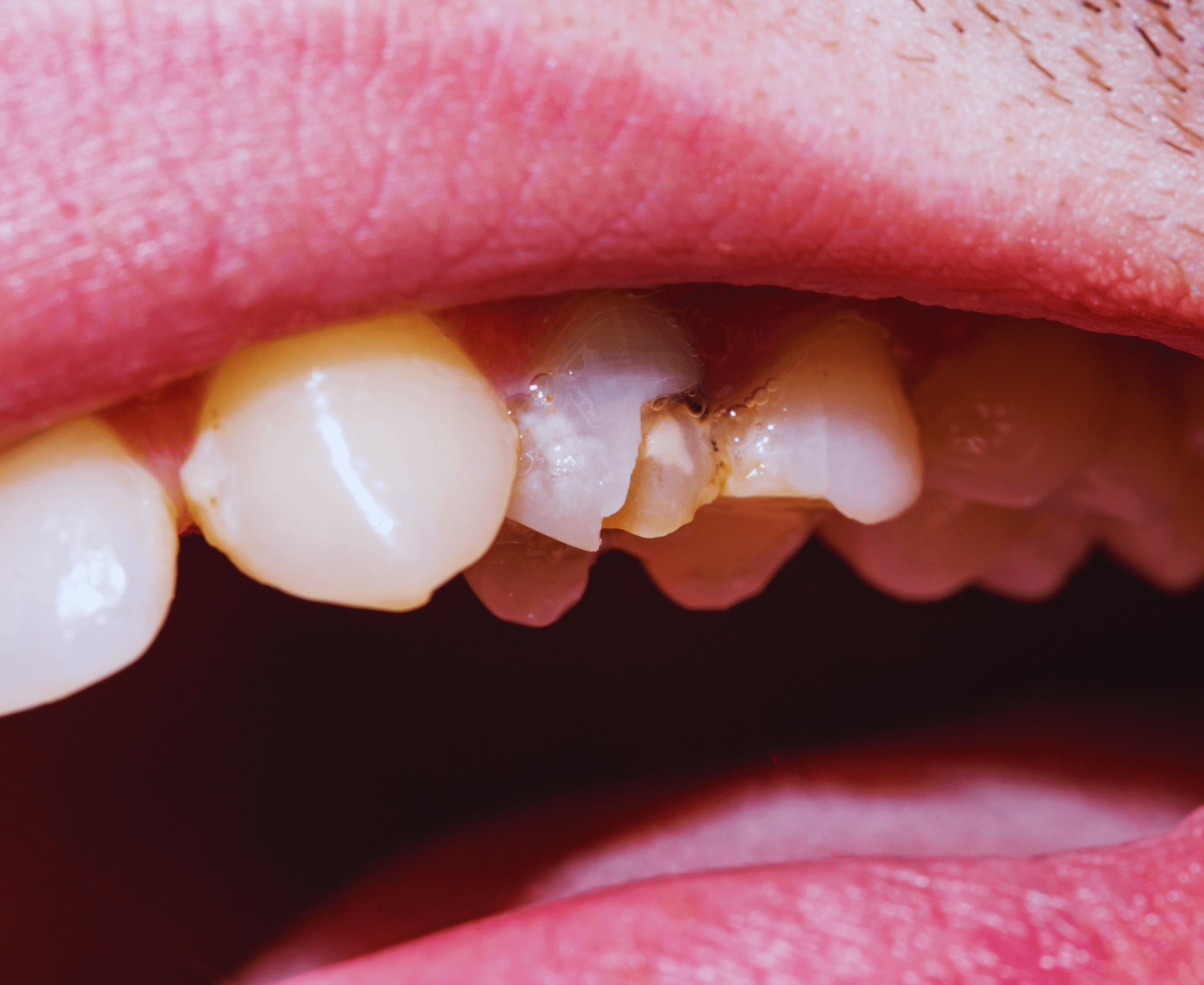
When a tooth is damaged or missing, the bite can shift over time. That change can lead to uneven pressure, cracks, food traps, and increased plaque buildup in hard to clean areas. Restorative dentistry helps keep teeth aligned, supports healthy chewing, and reduces the risk of future problems.
Many patients also notice a boost in confidence after restorative care. Being able to smile, talk, and eat without worrying about a weak or missing tooth can make a real difference day to day.
A dental crown is a custom cover that fits over a tooth to restore its shape, strength, and appearance. Crowns are commonly recommended when a tooth has a large cavity, cracks, a weakened structure, or a failing old restoration. The crown protects the tooth above the gumline and helps you bite and chew normally again.
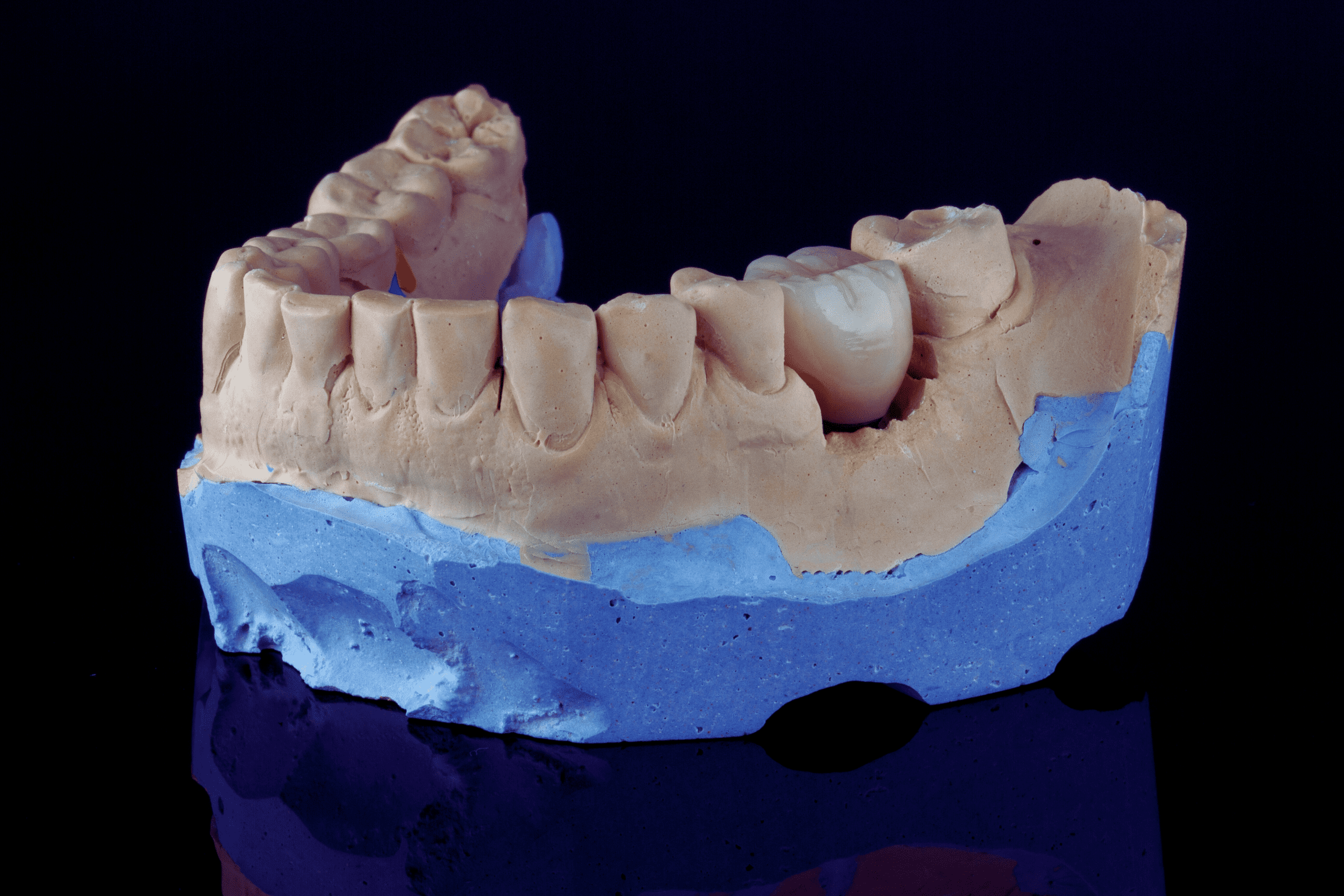
Most crown treatment plans follow a predictable process designed for comfort and precision:
1) We numb the area and remove any decay or damaged portions of the tooth.
2) The tooth is shaped so the crown can fit securely and look natural.
3) We take impressions (records) so your crown is made to match your bite and smile.
4) A temporary crown is placed to protect the tooth while the final crown is created.
5) At the next visit, the temporary is removed and the final crown is bonded in place after checking fit and comfort.
With consistent brushing, flossing, and routine checkups, crowns can last for many years. We also evaluate your bite to help reduce excess pressure that can shorten the lifespan of any restoration.
A dental bridge replaces one or more missing teeth by filling the open space with lifelike replacement teeth. It is a fixed solution that helps restore chewing and speech while also supporting a more complete smile. Bridges can also help prevent neighboring teeth from drifting into the gap.
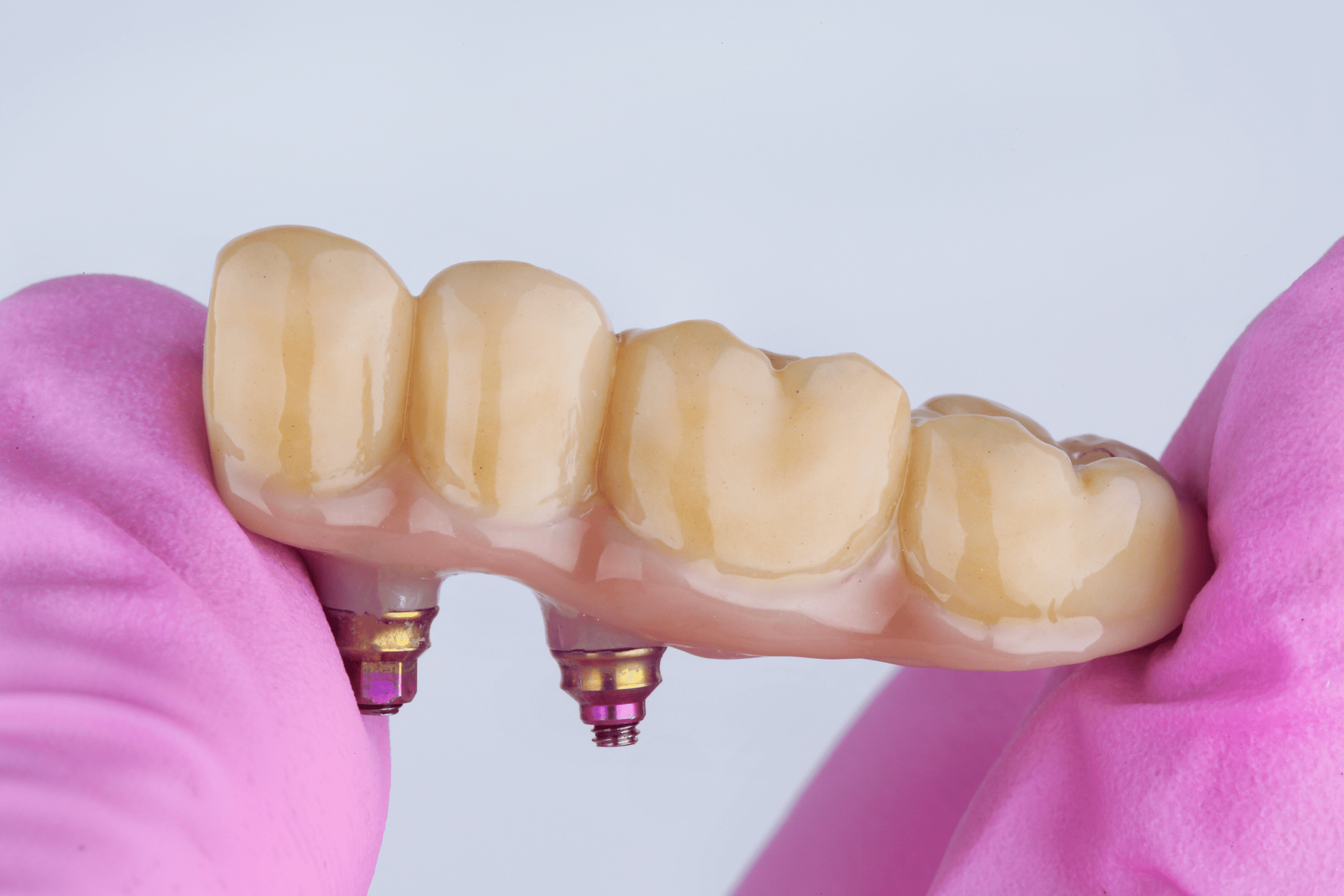
The right bridge design depends on where the missing tooth is located, the condition of the neighboring teeth, and whether dental implants are part of the plan.
This is the most common type. A replacement tooth (pontic) is supported by crowns placed on the teeth on both sides of the space.
Often used for front teeth in select cases. Instead of full crowns, small “wings” are bonded to the back of nearby teeth to support the pontic.
Dental implants are placed in the jawbone to support the bridge. This option can be ideal when multiple teeth are missing and you want a secure, long lasting solution without relying on neighboring natural teeth.
In certain situations where only one adjacent tooth is available, a cantilever bridge may be considered. Because it places different forces on the supporting tooth, we carefully evaluate bite and location before recommending it.
Restorative dentistry is not one size fits all. During your exam, we evaluate the health of your gums, bone, bite, and remaining tooth structure. Then we explain your options clearly so you can choose what fits your goals, timeline, and budget.
If you have missing teeth, we also discuss long term planning. Replacing a missing tooth is about more than appearance; it helps protect bite stability and everyday function.
Restorations still need daily care. Brush twice a day, floss daily, and keep up with routine cleanings and checkups. If you grind or clench, a custom night guard can help protect crowns and bridges from excess pressure. We also recommend calling us if you notice sensitivity, a rough edge, or changes in how your bite feels.
Questions or ready to schedule, call (941) 637-0101