
Periodontal disease (often called “gum disease”) is a long-term infection of the tissues that support your teeth. Many people don’t feel pain at first, which is why it can quietly progress without obvious symptoms. At Diamond Dental Arts, our goal is to find it early, reduce the bacteria below the gumline, and keep it controlled with a clear plan.
Call or text: (941) 637-0101
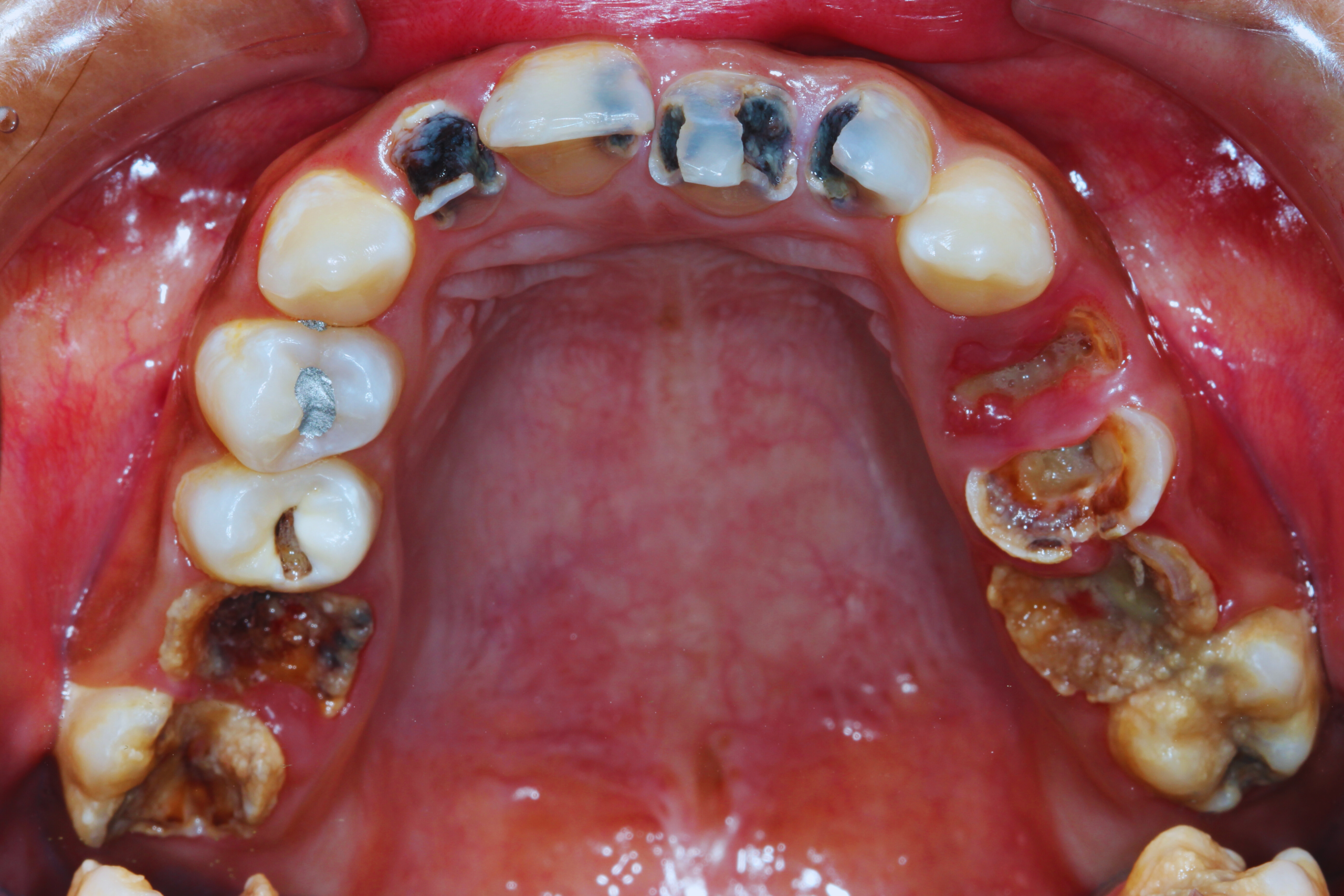
Periodontal disease is an infection and inflammation around the teeth that can involve the gums and the bone that holds teeth in place. It often begins as gingivitis (bleeding gums), but when bacteria move deeper under the gums, the condition can start damaging the supporting structures.
The earlier we reduce bacterial buildup under the gumline, the easier it is to slow progression and preserve stable, healthy support for your teeth.

Periodontal disease is considered a chronic condition, meaning it usually doesn’t have a simple “one-and-done cure.” However, it can be managed and kept under control. How fast it changes from mild to more advanced depends on factors like: the type of bacteria present, how consistent home care is, and how regularly professional care is performed.
Some people can have a more aggressive pattern of disease, while others experience a slow, steady progression over time. The goal of treatment is to calm active infection and keep it stable long-term.
Periodontal disease often doesn’t cause major pain, especially early on. That’s why routine exams and measurements are so important. Some common warning signs include bleeding gums, persistent bad breath, gum tenderness, gum recession, “longer-looking” teeth, or teeth that feel like they’re shifting.
If mouthwash and brushing help only temporarily but odor returns, it can be a sign that bacteria are living deeper under the gums.

Research has shown meaningful associations between gum infection and other health conditions. The gums can act like a doorway into the bloodstream, which is one reason chronic inflammation may be linked to broader health issues. Commonly discussed connections include diabetes and cardiovascular concerns, and ongoing research continues to explore relationships with cognitive decline, inflammatory conditions, and other systemic health challenges.
This doesn’t mean periodontal disease directly “causes” every condition—but it does mean controlling oral infection is a smart step for supporting overall wellness.
Genetics can play a role. It’s common to see periodontal disease run in families, and some patients are simply more susceptible to inflammation even with decent hygiene. Also, because periodontal disease is bacterial, partners can share bacteria through close contact— which is another reason treatment and maintenance matter for the whole household.
Treatment starts with a thorough periodontal evaluation. We measure gum pockets, assess bleeding and inflammation, and review x-rays to evaluate bone levels. If active infection is present, we often recommend a deep cleaning (scaling and root planing) to remove buildup below the gumline where toothbrushes can’t reach.
Depending on your needs, supportive therapies may be recommended (such as localized antimicrobials, laser-assisted care, or other targeted approaches). Once the gums are more stable, the next step is maintenance cleanings—typically every 3 to 4 months— to help keep bacterial levels under control.
No—these treatments are designed to be comfortable. We take great care to keep you numb and at ease, and we tailor the approach to your sensitivity level.
Home care is the foundation for controlling periodontal disease. The most important goal is reducing plaque at the gumline every day. An electric toothbrush is strongly recommended, and cleaning between teeth is essential—flossing, interdental brushes, or a water flosser can all help, especially if traditional flossing is difficult.
If you’re prone to bleeding, focus on gentle, consistent cleaning rather than avoiding the area. Skipping inflamed spots allows bacteria to stay and worsen inflammation.
Don’t wait for someone else to notice bad breath or for bleeding to become “normal.” If you see blood when brushing, have persistent odor, or feel gum irritation, it’s time to be evaluated. Early care makes treatment easier and helps prevent deeper damage.
Questions or ready to schedule, call (941) 637-0101