
Hearing the words “oral surgery” can feel intimidating, but in dentistry it often refers to common procedures that help protect your long-term health and comfort. Many surgical treatments are completed on an outpatient basis, and most patients return to normal routines within a short recovery period.
At Diamond Dental Arts, we focus on clear explanations, comfort-first care, and a plan that fits your needs. If a referral to an oral surgeon is recommended, it’s usually because it’s the safest and most predictable path—and in many cases, the specialist may confirm options that are simpler than you expected.
Call or text: (941) 637-0101

“Oral surgery” is an umbrella term for procedures that treat problems involving the teeth, gums, jaw, and supporting structures. Some surgeries are done to remove a problem (like an impacted tooth), while others help rebuild function (like preparing for tooth replacement).
The goal is always the same: reduce pain, prevent complications, and protect your long-term oral health with a safe, predictable plan.
Surgical care is often recommended for issues such as impacted wisdom teeth, complex extractions, infections that need drainage, damaged teeth that can’t be saved, and certain jaw or airway concerns. Many of these are routine and far more manageable than most people expect.
Sometimes a case is straightforward, and we can complete treatment in-office. Other times, the safest approach is to involve an oral surgeon— especially when nerves, sinuses, deep impaction, or complex anatomy are involved.
A referral does not automatically mean “worst case.” In many situations, it simply means a specialist can complete the procedure more efficiently, with advanced tools and sedation options when appropriate. It also gives you another expert opinion—and occasionally, a surgeon may confirm that a non-surgical option is possible.
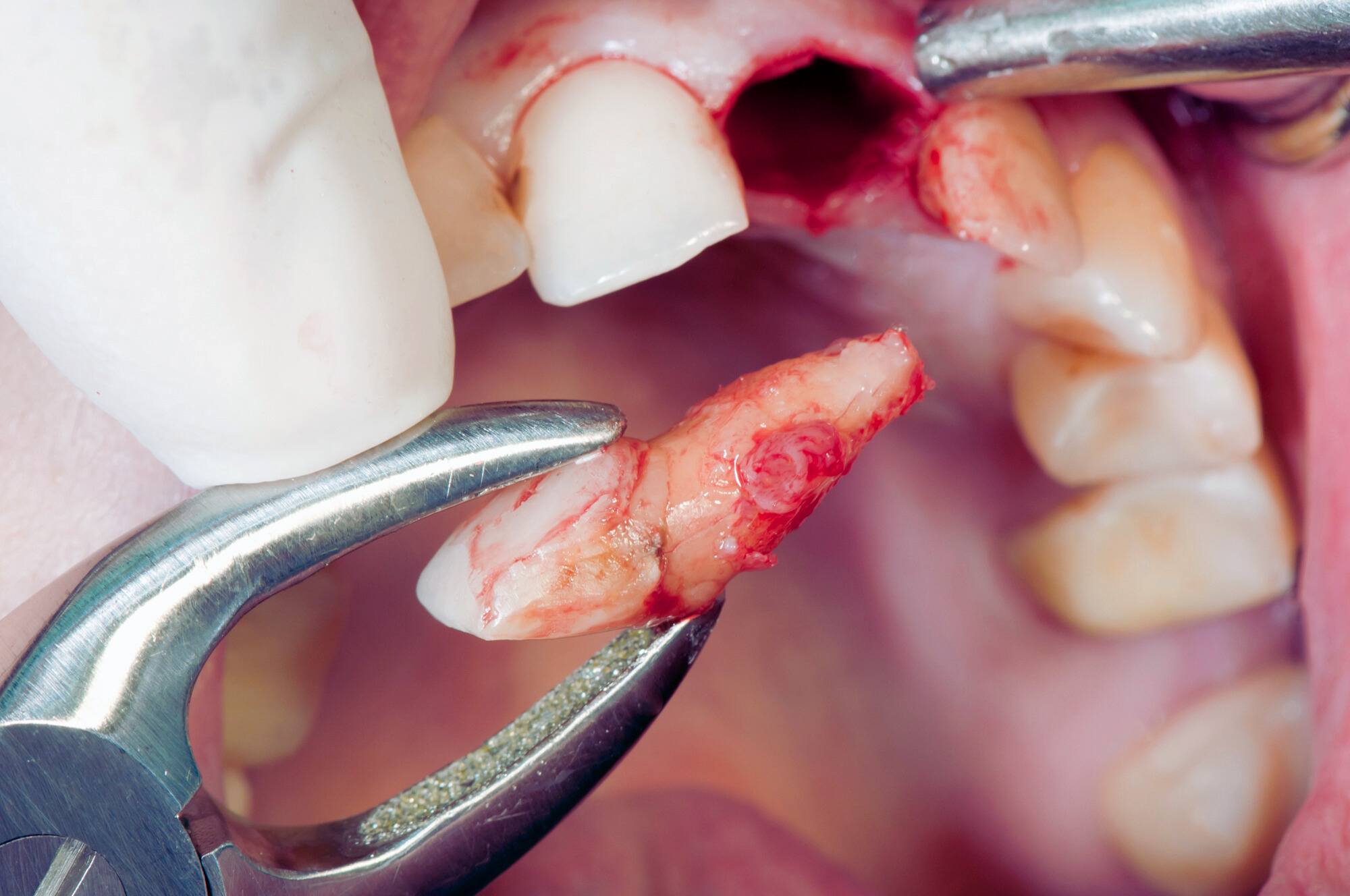
Oral surgery can include different treatments depending on the diagnosis. Some of the most common include surgical extractions, removal of impacted teeth, treatment of infections, bone grafting to support future tooth replacement, and procedures that help stabilize dentures or prepare for implants.
If you’re dealing with tooth pain, swelling, repeated infections, or a tooth that cannot be restored, a surgical approach may be the fastest way to get you comfortable again and prevent the issue from spreading.
Many oral surgery procedures are completed in a single visit, and patients go home the same day. Most recoveries are measured in days—not weeks—depending on the treatment and your health history.
Wisdom teeth are the last molars in the very back of the mouth. They often don’t have enough space to come in normally, which can lead to partial eruption, impaction (stuck under the gum or bone), pain, repeated inflammation, or infection.
Even when wisdom teeth aren’t painful today, they can still cause problems over time—such as trapping food and bacteria, damaging the neighboring tooth, or creating hard-to-clean pockets that lead to gum issues. For that reason, removal is sometimes recommended as a preventive step based on exam findings and x-rays.
• Not enough space to erupt normally
• Impaction that causes pressure or pain
• Repeated gum infections around the tooth
• Cavities that are difficult to treat due to access
• Risk of damage to the tooth in front of it
Recovery varies by procedure, but for many patients, discomfort is mild to moderate and improves quickly. It’s common to have some swelling and tenderness for a few days, especially after extractions.
Most people can return to normal daily activities within a short time. We also provide clear post-operative instructions so you know what to do at home—such as how to manage swelling, what foods to choose temporarily, and when to call us.
Our priority is keeping you comfortable and informed. Before any procedure, we review your health history, medications, and any concerns. We explain what to expect during treatment and what the normal healing timeline looks like.
If you feel anxious about oral surgery, let us know. We can walk you through options and help you understand the plan step-by-step so you feel prepared and supported.
Questions or ready to schedule, call (941) 637-0101