
If you feel like your smile shows more gum tissue than you’d like, you’re not alone. At Diamond Dental Arts, we evaluate the cause of a “gummy smile” and recommend a conservative plan that supports both appearance and gum health.
Call or text: (941) 637-0101
A “gummy smile” is a smile that shows a larger amount of gum tissue above the top teeth. For many people, this is simply a normal variation in anatomy—how the lips, facial muscles, and jaw developed over time. The amount of tooth display and lip movement when you smile can make gums appear more prominent.
There isn’t a single rule that applies to everyone, because your comfort and goals matter most. Clinically, showing about 3–4 millimeters (or more) of gum above the top teeth is often described as a gummy smile. But if you feel good about your smile, treatment isn’t necessary.
Many gummy smiles are purely cosmetic and are not tied to gum disease or dental problems. However, in some situations, gums look “bigger” due to inflammation, medication-related overgrowth, or health conditions—so it’s important to identify the true cause before choosing a treatment.
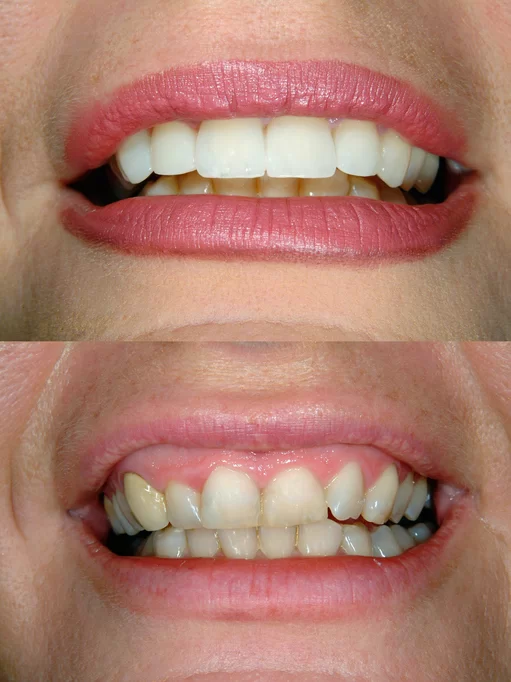
Gummy smiles typically fall into two broad categories: (1) lip/jaw/tooth display anatomy, and (2) gum enlargement. Gum enlargement can be related to bacterial inflammation, medications, or systemic conditions. Your exam helps us determine which category applies to you—or if it’s a combination.
In anatomy-based cases, the gums may be healthy, but your upper lip lifts higher, your teeth appear shorter, or the relationship between the jaw and lip makes gums show more during smiling. These cases are usually treated differently than gum enlargement caused by inflammation.
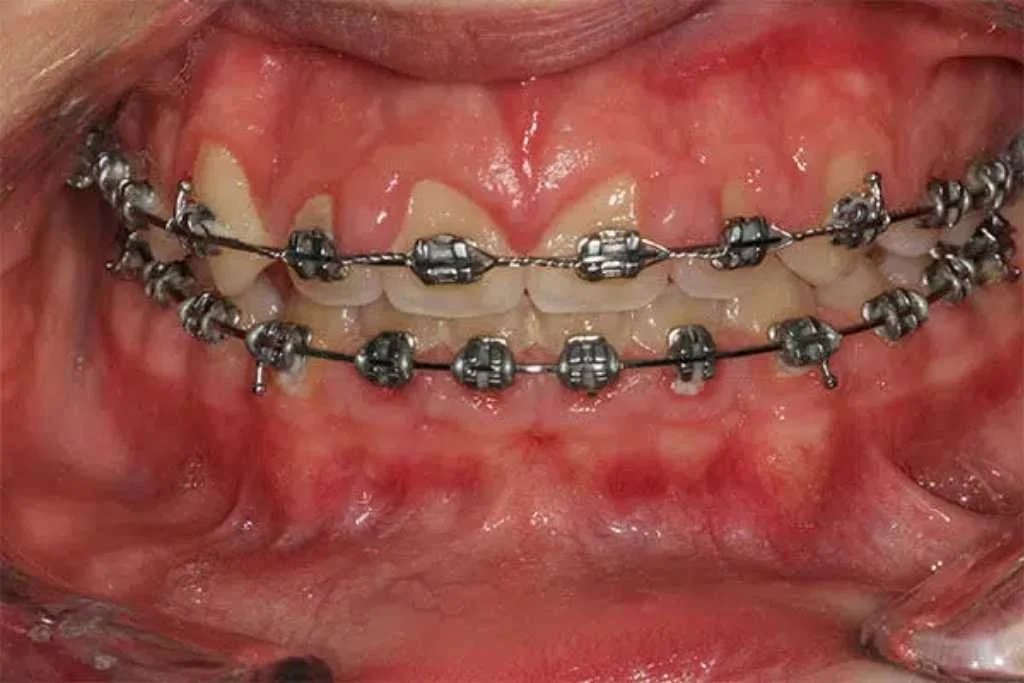
Gum tissue can look swollen and “puffy” when bacteria irritate the gums. Gingivitis and periodontal disease can cause inflammation, bleeding, and visible gum overgrowth. Orthodontic appliances (like braces) can sometimes trap plaque, making inflammation worse if home care is difficult.
The first step is improving daily hygiene and getting professional cleanings to reduce bacteria. If excess gum tissue remains after inflammation is controlled, we may consider reshaping the tissue for a healthier, more even gumline.
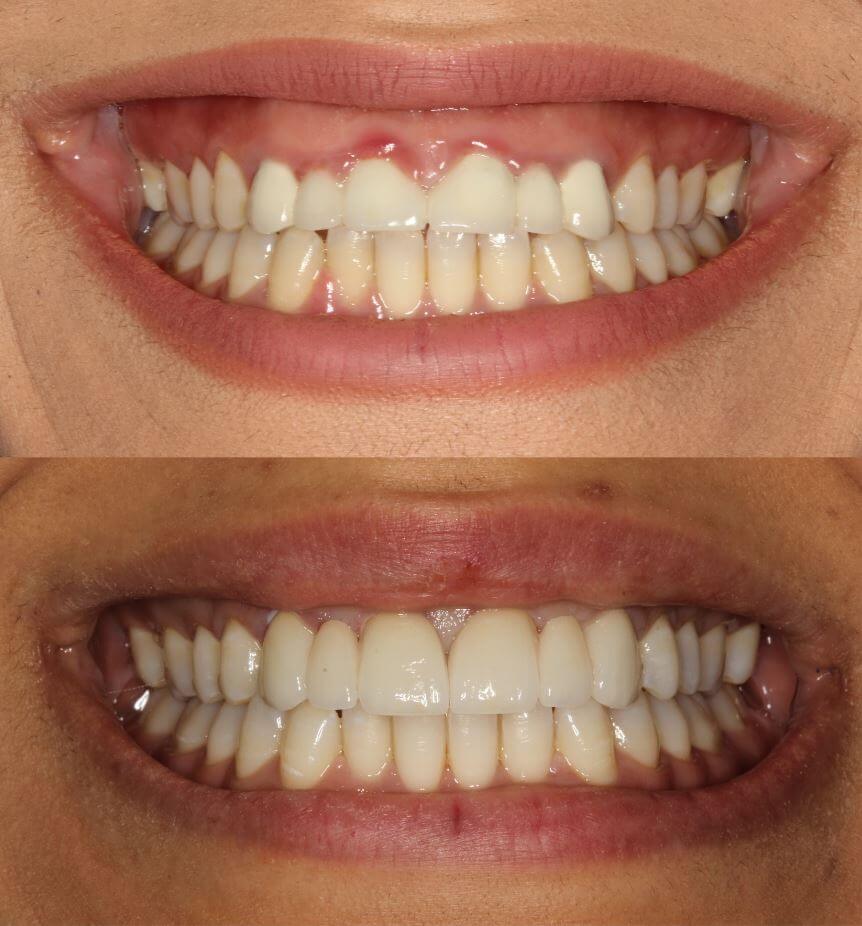
Certain medications can contribute to gum enlargement in some patients. Common groups include some anti-seizure medications, certain calcium channel blockers used for blood pressure, and immunosuppressants like cyclosporine. Stimulants and some recreational drug use can also worsen oral hygiene patterns, which may make gum overgrowth more noticeable.
If medication is a factor, improving home care and keeping up with cleanings can help reduce irritation. In some cases, gum enlargement may improve if a prescribing physician changes or substitutes the medication. If overgrowth persists, surgical reshaping may be recommended.
Hormonal changes (such as puberty or pregnancy), vitamin deficiencies, and certain blood or immune-related conditions can also affect gum tissue. This is why we take a complete history and evaluate gum health carefully. When a medical condition is contributing, treating the underlying issue often improves gum enlargement.
Because gummy smiles can have different causes, the best treatment depends on what’s happening in your mouth. We focus on identifying whether your gums are healthy, inflamed, medication-influenced, or anatomy-driven—then we build a plan from there.
Treatment is customized to your goals and the cause of your gummy smile. In general, options fall into two groups: a temporary approach that reduces lip lift, or a more permanent approach that reshapes the gumline (and sometimes the supporting bone) to create better tooth display.
For some patients, small injections can relax the upper lip muscles so the lip doesn’t rise as high when smiling. Results are temporary and typically fade in about 3–4 months, so repeat visits are needed to maintain the look.
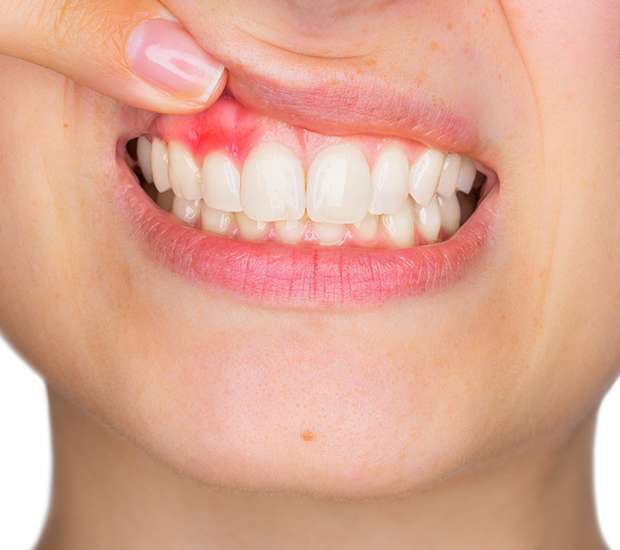
If gums cover too much of the tooth or the gumline is uneven, reshaping the gum tissue can create a more balanced smile. In certain cases, reshaping includes adjusting the bone underneath the gums as well (crown lengthening) to create stable, long-term results. Discomfort is usually mild for healthy patients, and we provide aftercare instructions for smooth healing.
In many people, gummy smiles become less noticeable over time because the upper lip often lowers slightly with age. That said, everyone is different—so if your smile concerns you now, a consultation is the best way to understand your options.
Questions or ready to schedule, call (941) 637-0101