

Gingivitis is one of the most common reasons people notice bleeding when they brush or floss. The good news is that it’s usually an early, treatable stage of gum inflammation—especially when we catch it quickly. At Diamond Dental Arts, we’ll help you understand why it’s happening and how to reverse it.
Call or text: (941) 637-0101
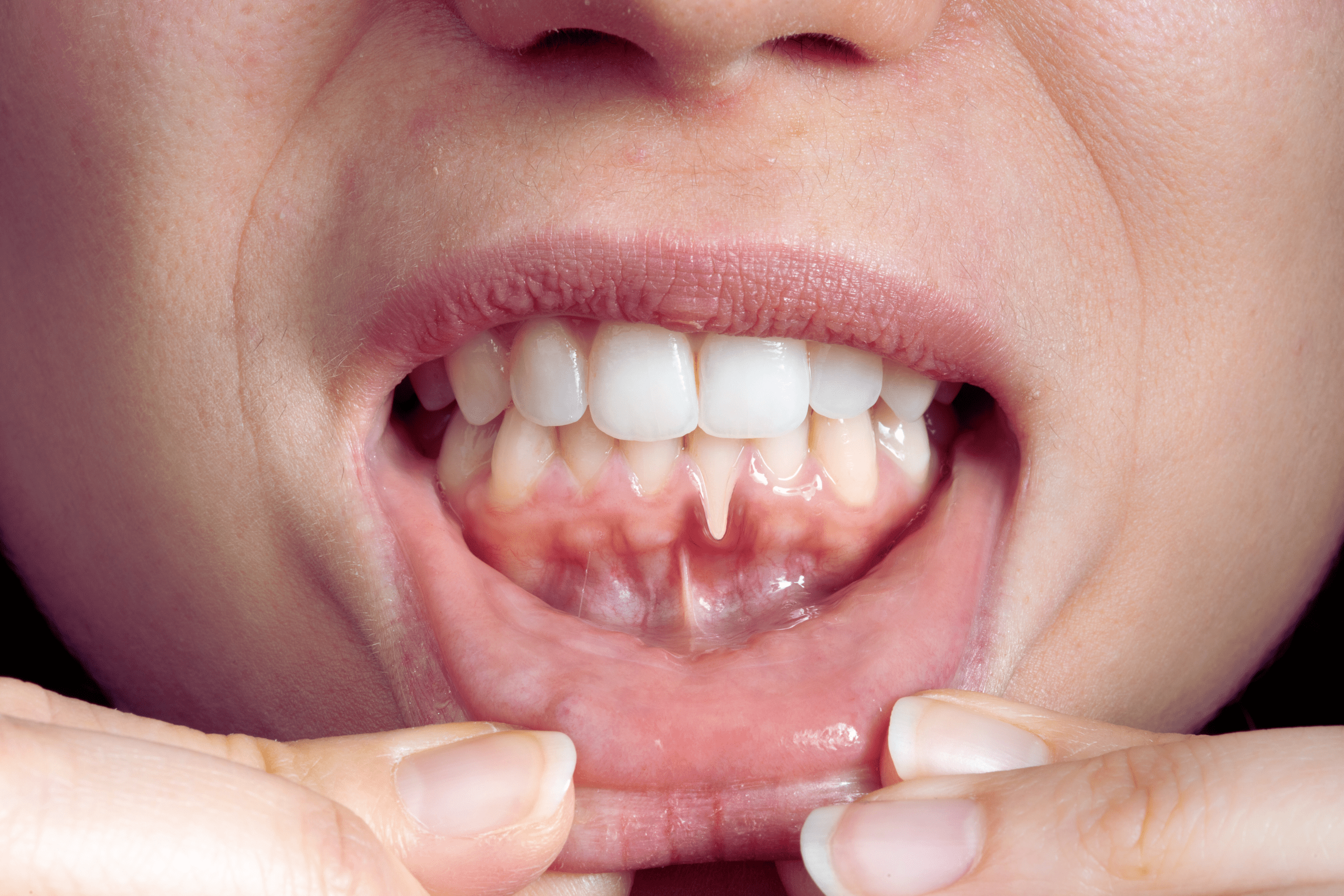
Gingivitis is gum inflammation that most often starts near the gumline. Many patients first notice it at home when the gums look red or puffy, or when there’s bleeding during brushing or flossing. It’s common—and it’s also one of the best problems to fix early.
Bleeding when brushing or flossing, tenderness, swelling, persistent bad breath, and gums that look darker or more irritated than usual are all typical clues.
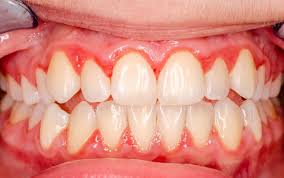
The most common trigger is plaque buildup—especially along the gumline—combined with brushing or flossing that misses key areas. Even people who brush daily can get gingivitis if plaque is left behind consistently.
Other factors can make inflammation more likely, including tobacco use, dry mouth, certain medical conditions, and some medications. If your gums feel like they “always” bleed, there’s usually a specific reason we can identify.
Gingivitis is considered the early stage of gum disease. By itself, it does not mean you’ve lost bone support. But if it’s ignored long enough, it can progress into periodontal disease—where infection can affect the bone and tissues that hold teeth in place.
Treat gingivitis while it’s still reversible, so it doesn’t develop into a deeper infection around the teeth.
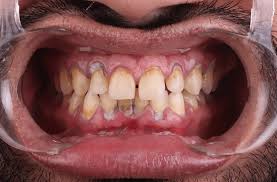
Treatment depends on what we see during your exam, but most cases improve with a professional cleaning and guidance on better home techniques. In the office, we remove plaque and hardened buildup that home care can’t remove. Then we show you exactly how to clean the gumline more effectively.
Many mild to moderate cases can improve quickly when plaque is removed and your daily routine is corrected. If there are deeper pockets or more advanced infection, we may recommend a deeper cleaning plan.
Consistency matters more than “brushing harder.” Brush gently for at least two minutes and focus on the gumline, not just the biting edges. Make sure you clean the inside, outside, and chewing surfaces of every tooth.
Floss daily and wrap the floss around the tooth in a “C” shape so you clean under the gumline—this is where plaque loves to hide. If you struggle with floss, a water flosser can be a great add-on, but it shouldn’t replace flossing entirely.
Improvement varies based on how much inflammation is present and how consistent your home care is. When plaque is the main cause and you clean thoroughly, gums can begin looking and feeling better fairly quickly. The fastest results usually happen when professional cleaning is paired with correct daily technique.
If your gums bleed when brushing, eating, or even spontaneously, it’s a sign the gums are inflamed and need attention. Also schedule a visit if you notice ongoing bad breath, gum tenderness, swelling, or recession. The earlier we address it, the easier it is to reverse.
Questions or ready to schedule, call (941) 637-0101