
A tooth extraction is the removal of a tooth that cannot be repaired in a predictable way. While we always try to save natural teeth when possible, sometimes removing a tooth is the healthiest option to stop pain, clear infection, and protect the rest of your mouth.
At Diamond Dental Arts, we focus on comfort, clear communication, and a plan that fits your situation. If an extraction is recommended, we’ll explain exactly why and walk you through what to expect before, during, and after treatment.
Call or text: (941) 637-0101
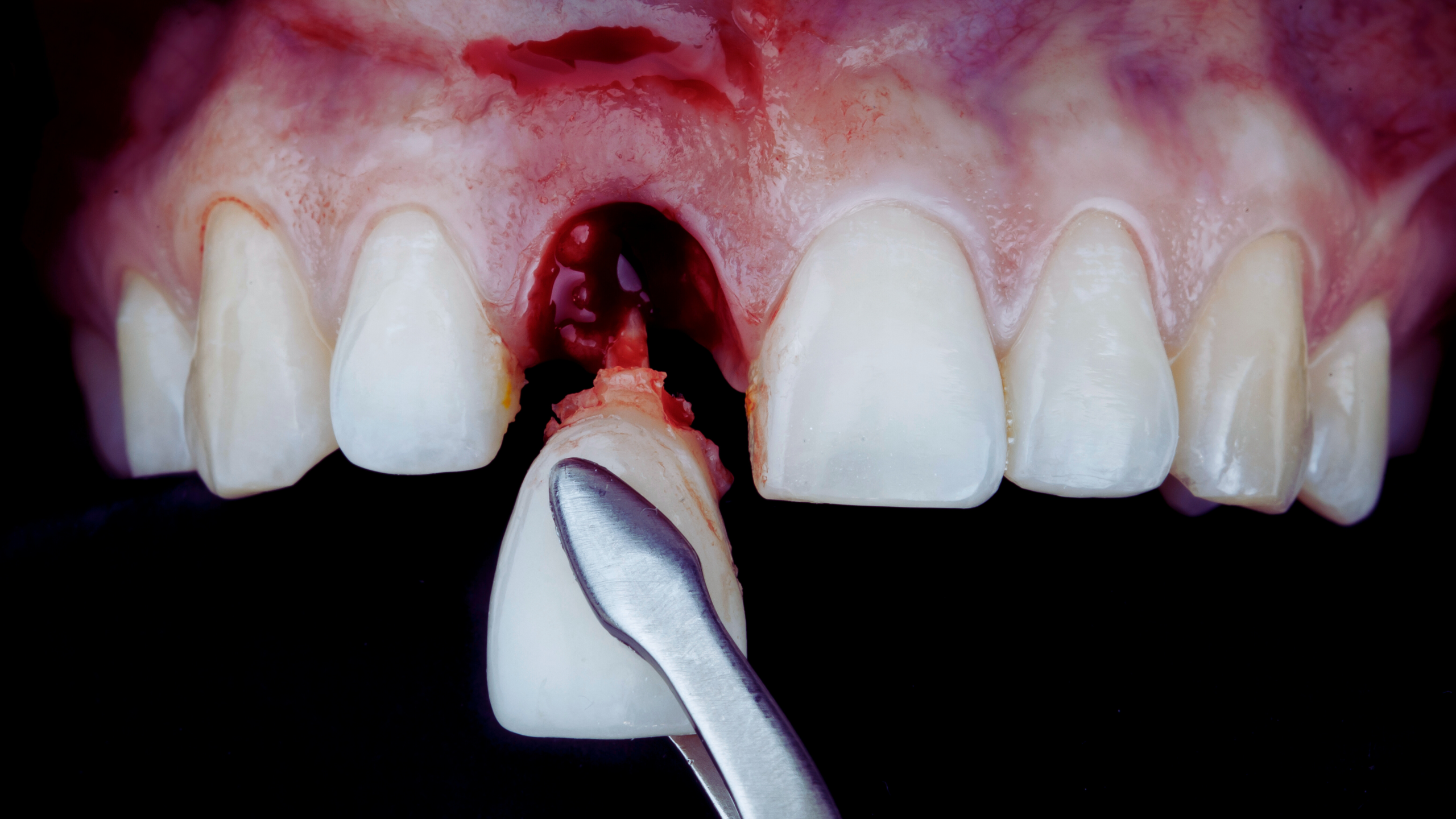
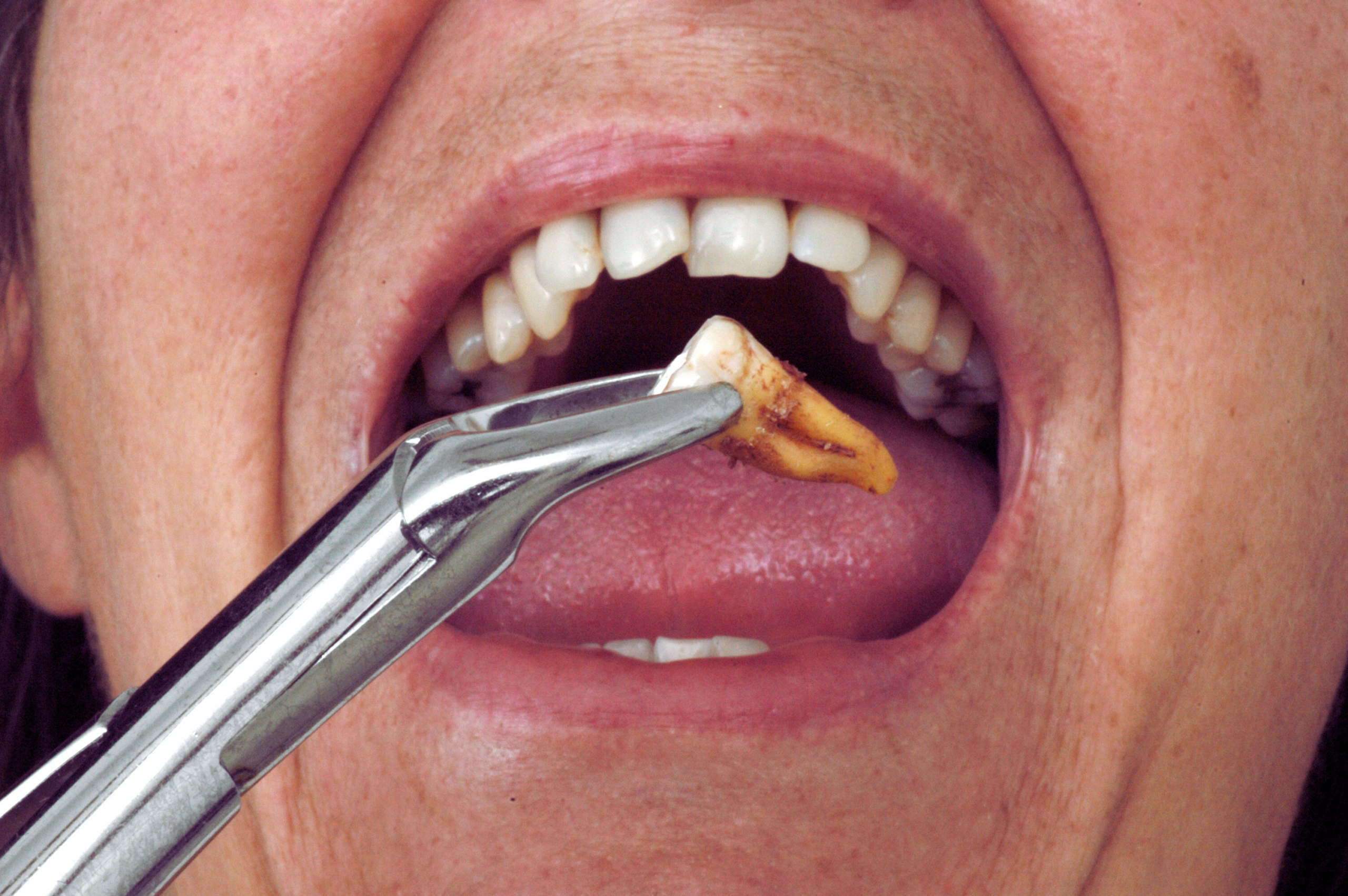
A dental extraction is the process of removing a tooth from the mouth. This is typically recommended when a tooth is too damaged to restore with a filling, crown, or root canal, or when keeping the tooth in place could harm neighboring teeth and gum tissue.
Extractions may be simple (when the tooth is visible and easy to access) or more involved (when the tooth is broken, severely decayed, or positioned in a difficult area). Either way, our priority is to keep the visit comfortable and to guide you through every step.
We recommend an extraction only when it offers the most predictable way to relieve pain, control infection, and protect your overall oral health. If there’s a way to save the tooth, we’ll discuss those options first.
Teeth are extracted for several reasons. Some of the most common include extensive decay, a tooth that is cracked below the gumline, severe infection that cannot be treated predictably, advanced gum disease affecting stability, or a tooth that is causing crowding or damage to the adjacent tooth.
If you’re unsure whether your tooth can be saved, the best next step is an exam and x-rays. We’ll evaluate the structure of the tooth, the health of the bone, and the surrounding gums before recommending a plan.
The procedure itself should not be painful because we numb the area with local anesthesia. If you feel anxious about dental treatment, we can also discuss comfort options such as nitrous oxide (laughing gas) to help you stay relaxed during the visit.
After the tooth is removed, some soreness is normal. We’ll give you clear instructions for at-home care and guidance on what to take for discomfort so your recovery is as smooth as possible.
In many cases, yes—an infected tooth can be removed the same day. Since the tooth is often the source of the infection, removing it can help address the root cause.
However, if the infection is severe and has spread (for example, significant facial swelling, fever, or signs that the body is struggling), we may recommend antibiotics first to reduce the systemic infection. Once the swelling and risk are under control, we can proceed with extraction more safely.
If you have facial swelling, fever, trouble swallowing, or pain that is rapidly getting worse, contact our office as soon as possible. These can be signs that the infection needs urgent care.
Wisdom teeth (third molars) do not automatically need to be removed. If they are fully erupted, easy to clean, biting correctly, and not causing damage or infections, they can sometimes be monitored over time.
On the other hand, if there isn’t enough space, the teeth are impacted, they’re creating repeated pain or gum infections, or they’re affecting nearby teeth, removal may be the best option. Regular checkups and periodic x-rays help us monitor wisdom teeth and make decisions early—before complications arise.
Recovery depends on the tooth and the complexity of the extraction, but most patients feel noticeably better within a few days. You may have mild swelling and tenderness at first. Following the aftercare instructions is important for fast healing.
We’ll cover the essentials—how to manage discomfort, what foods to choose temporarily, how to keep the area clean, and what to avoid (like smoking) so your healing stays on track.
If the extracted tooth is visible when you smile or helps you chew, we’ll also talk about replacement options. Depending on your needs, this may include a dental implant, bridge, or another restorative solution. Our goal is to help you stay comfortable now and protect your bite long-term.
Every case is unique. If you have questions, we’re happy to review your situation, explain your options, and help you feel confident about your next step.
Questions or ready to schedule, call (941) 637-0101