
Dental bonding is a conservative way to repair small chips, cracks, worn edges, and minor cavities. At Diamond Dental Arts, bonding helps restore the look and function of a tooth while keeping the visit simple, comfortable, and efficient.
Call or text: (941) 637-0101
Dental bonding is a tooth-colored resin material used to rebuild or protect a tooth. It is commonly used for small chips, minor cracks, worn edges, and small cavities. You can think of bonding as a cosmetic-friendly restoration that blends naturally with your tooth.
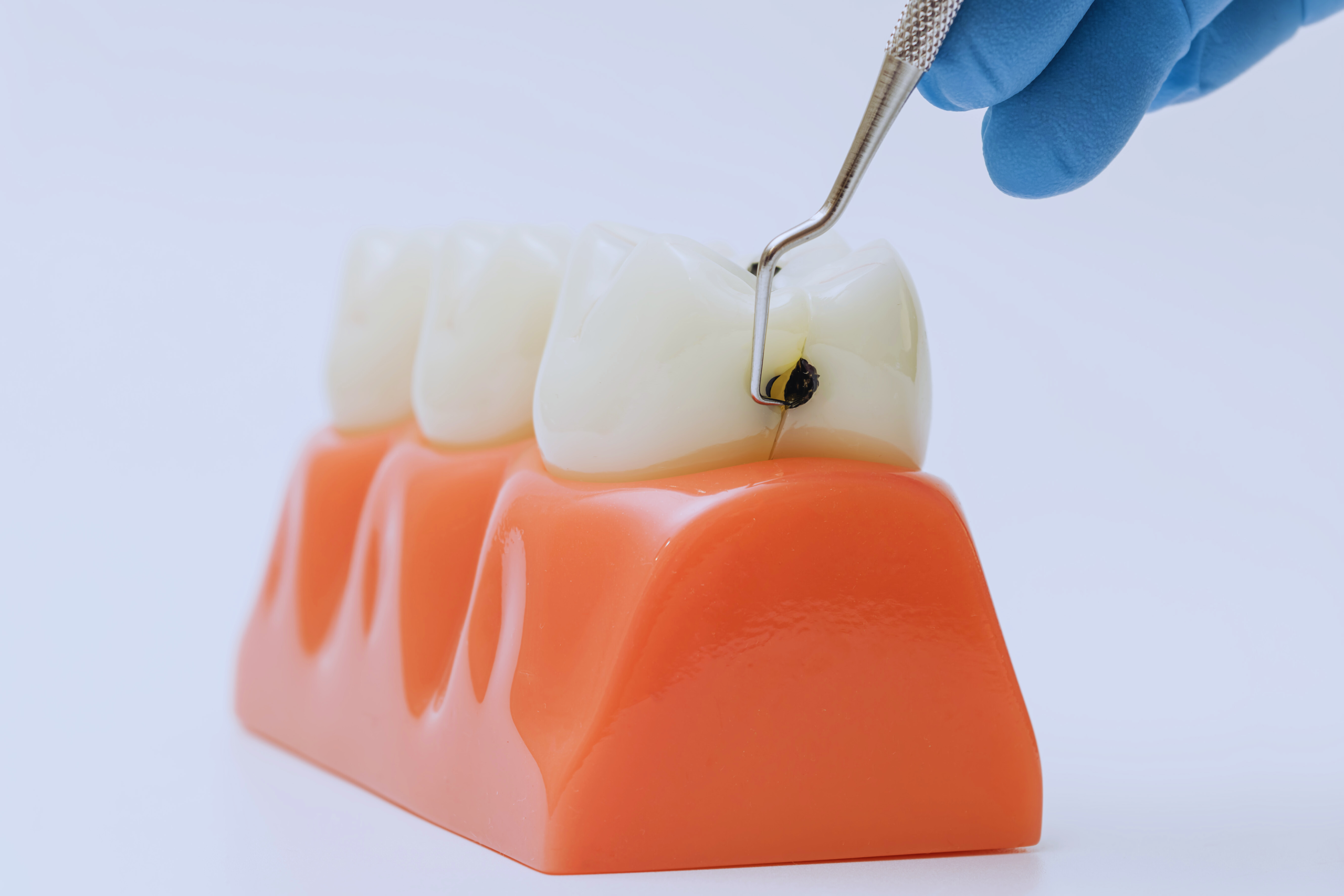
A tooth may be bonded when there is a chipped edge, a crack, a small area of decay, or a spot that needs reinforcement. Bonding allows us to restore the tooth shape and help protect it from further damage. In many cases, bonding can also improve the appearance of a tooth that looks uneven or has minor imperfections.
Bonding is often a great option for small to moderate repairs where we want to preserve as much natural tooth as possible and restore the tooth in a natural-looking way.
One of the biggest advantages of bonding is convenience. In many situations, we can diagnose the issue and repair it in the same visit. Bonding can be a simple solution for both functional problems (like a small cavity) and cosmetic concerns (like a chipped edge).
Like any restoration, bonding has limitations. Over time, the material may pick up stains or slightly change color depending on diet and habits. Bonded areas can also chip if the bite is uneven or if you frequently bite hard objects such as ice, pens, or fingernails.
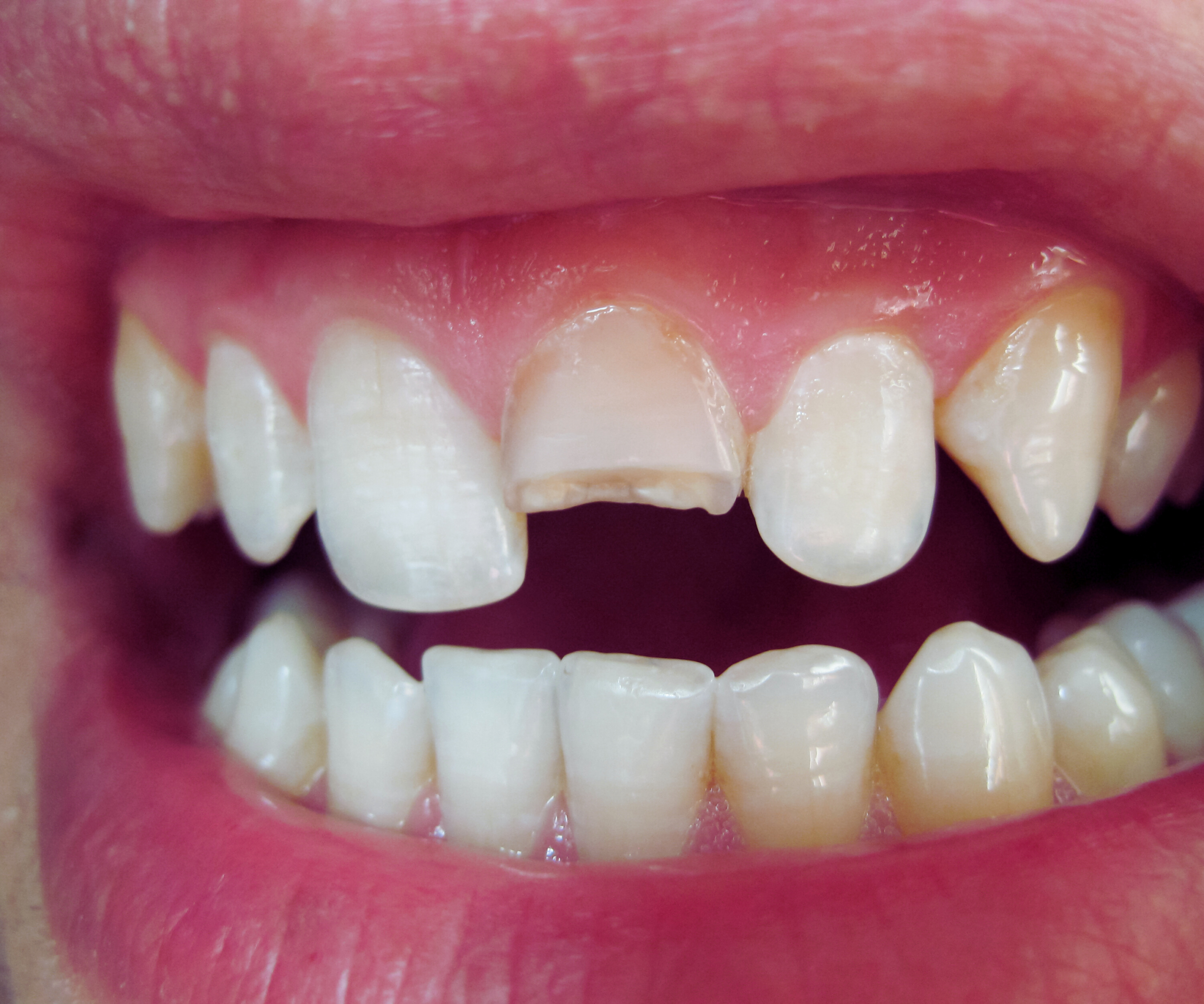
Yes, bonding can match your tooth color. Before we begin, we select a shade that blends with your natural enamel. Teeth can have more than one tone, so we can layer or blend shades when needed to keep the result looking seamless.
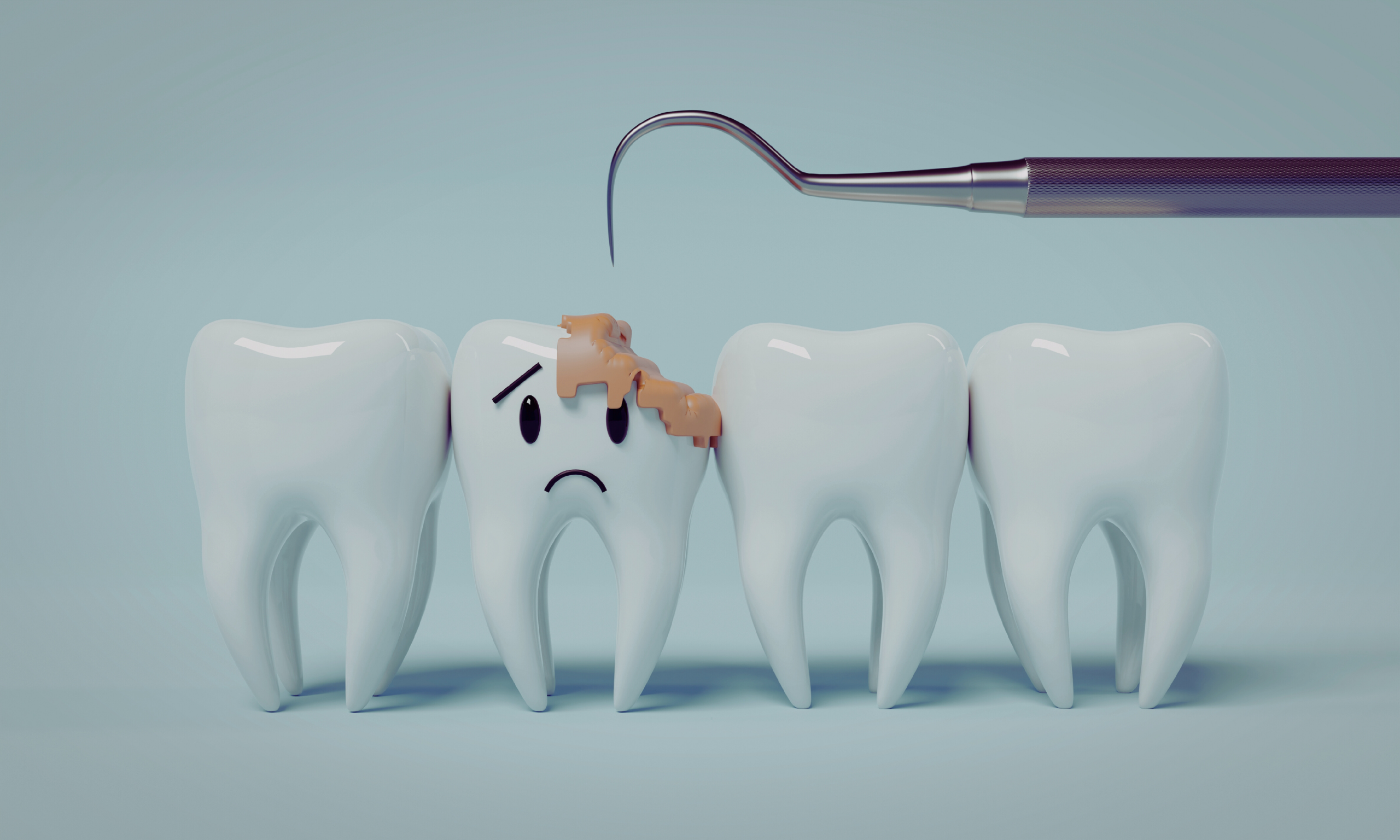
Yes. The bonding material does not get cavities, but the natural tooth around it can. Cavities most often develop along the gum line or at the edges where the tooth and restoration meet if plaque is not removed consistently.
Proper home care matters: brush thoroughly near the gum line and floss around the tooth contours (not only straight up and down). Regular checkups help us monitor the margins and catch any early changes before they become larger problems.
Dental bonding is typically very comfortable. We numb the tooth we’re working on so you don’t feel pain during treatment. Some teeth can be naturally more sensitive, or a deeper cavity may cause temporary sensitivity afterward. If that happens, we can recommend strategies to reduce sensitivity and keep you comfortable.
To help bonding look its best, brush and floss daily, keep up with regular cleanings, and avoid biting hard objects. If you grind or clench, a custom night guard can also help protect restorations from extra pressure.
The cost depends on the tooth and how many surfaces are involved. A small repair on one area of a tooth is different from rebuilding multiple sides or restoring a larger portion of the tooth. During your exam, we’ll explain what’s needed and review options clearly before treatment begins.
Questions or ready to schedule, call (941) 637-0101