
Dental technology has introduced innovative advancements over the last few years, making dental appointments quicker, more comfortable, and far more thorough. Many steps that once required extra time and manual processes are now simplified through modern systems that improve precision and help our team deliver consistent results.
Technology has already changed everyday life at home and in the workplace, so it makes sense that it has also reshaped what patients expect from a routine dental visit. At Diamond Dental Arts in Punta Gorda, we’ve equipped our office with advanced imaging and comfort-focused tools that help us diagnose earlier, plan smarter, and treat with confidence.
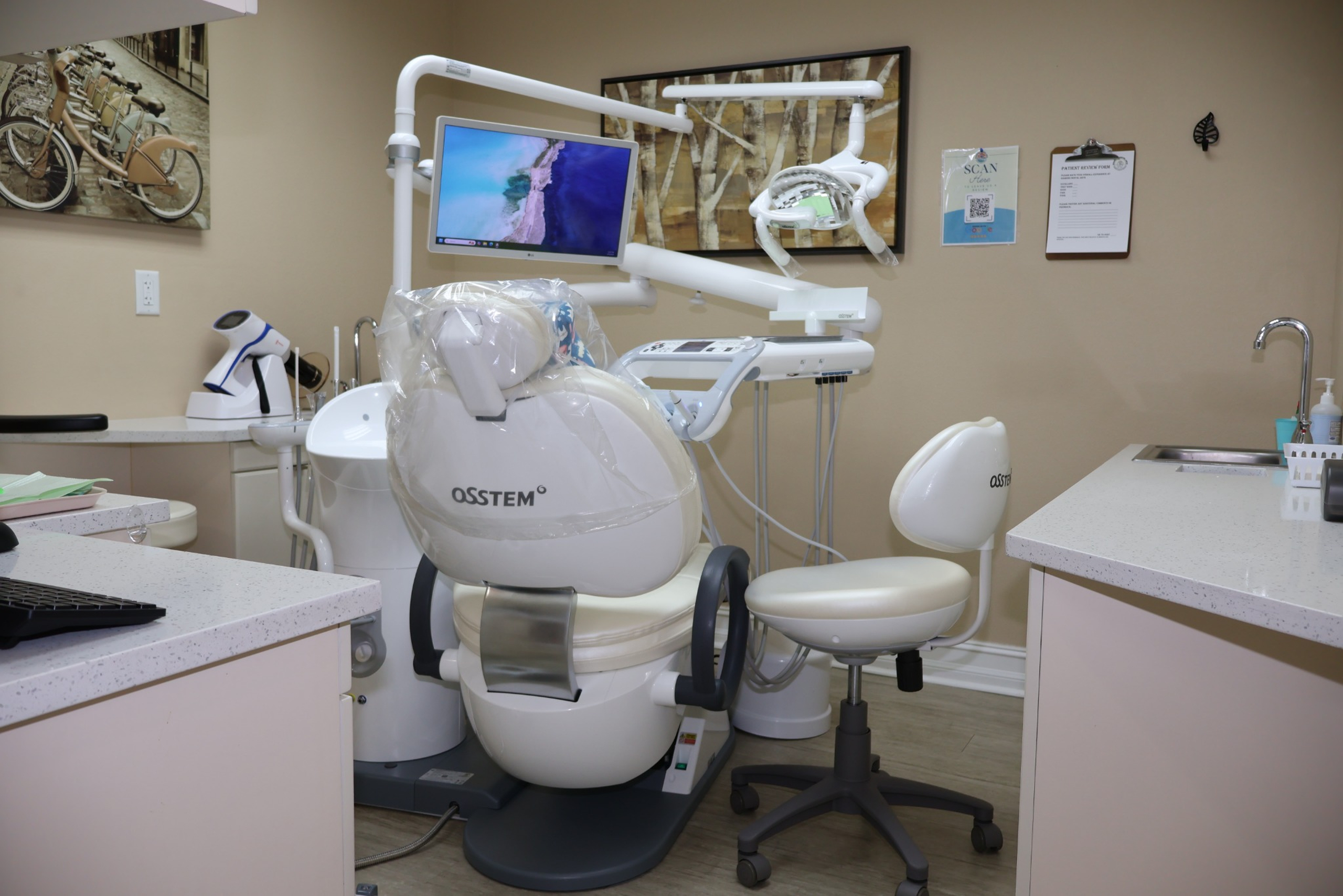
Before we talk about individual devices, it helps to see the environment they work in. Our treatment rooms are designed to support efficient care, clear communication, and a calm patient experience. From digital imaging stations to chairside visualization tools, our operatories are properly equipped so your visit stays focused, smooth, and time-effective.
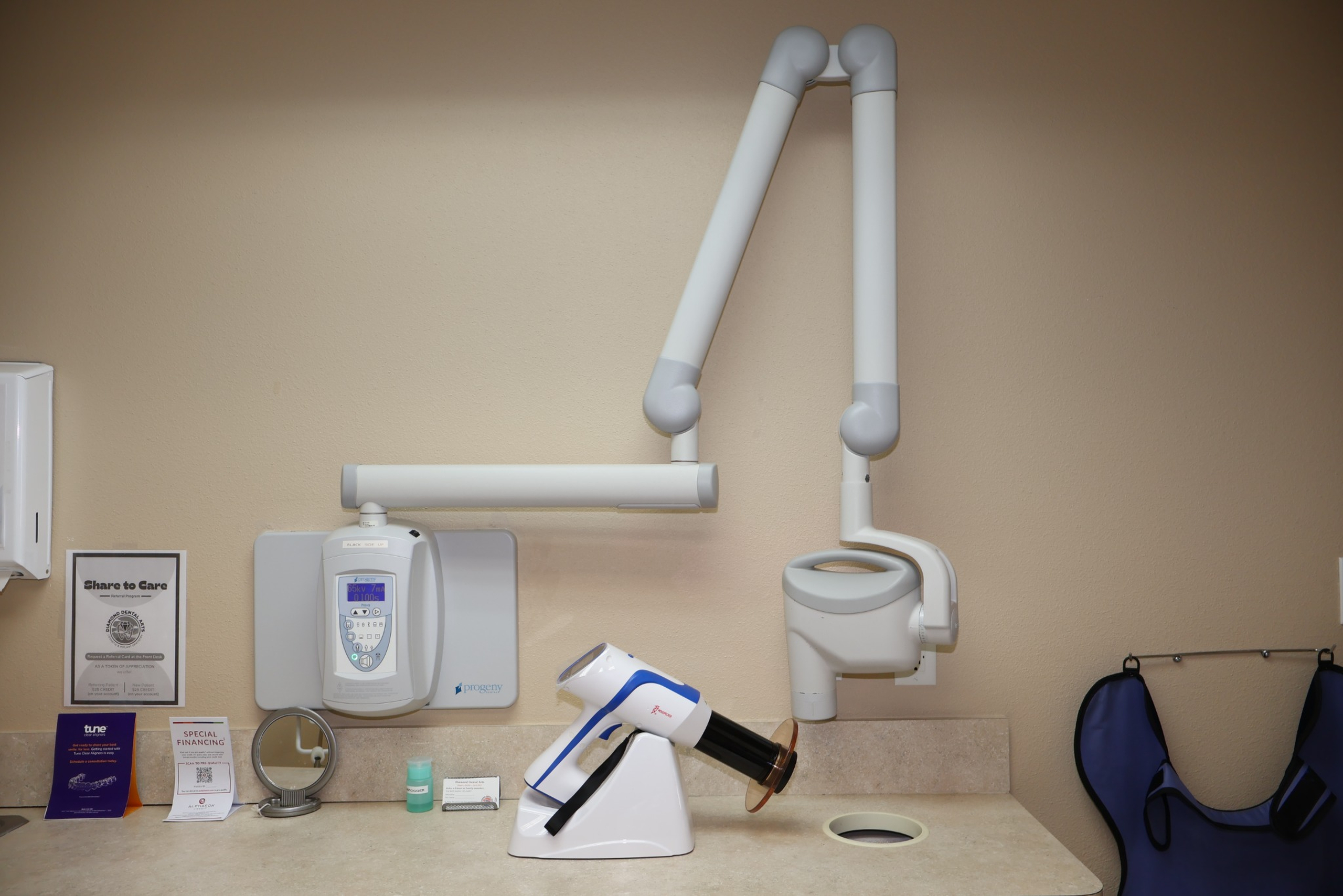
Digital radiography blends computer technology with advanced sensors and tiny bursts of radiation to capture detailed images quickly. Instead of printing film, your images appear almost immediately on a screen, allowing our team to review findings in real time and explain what we see with clarity.
Digital x-rays also support more refined viewing. Modern software can enhance areas of interest, helping us focus on details that matter for diagnosis and treatment planning.
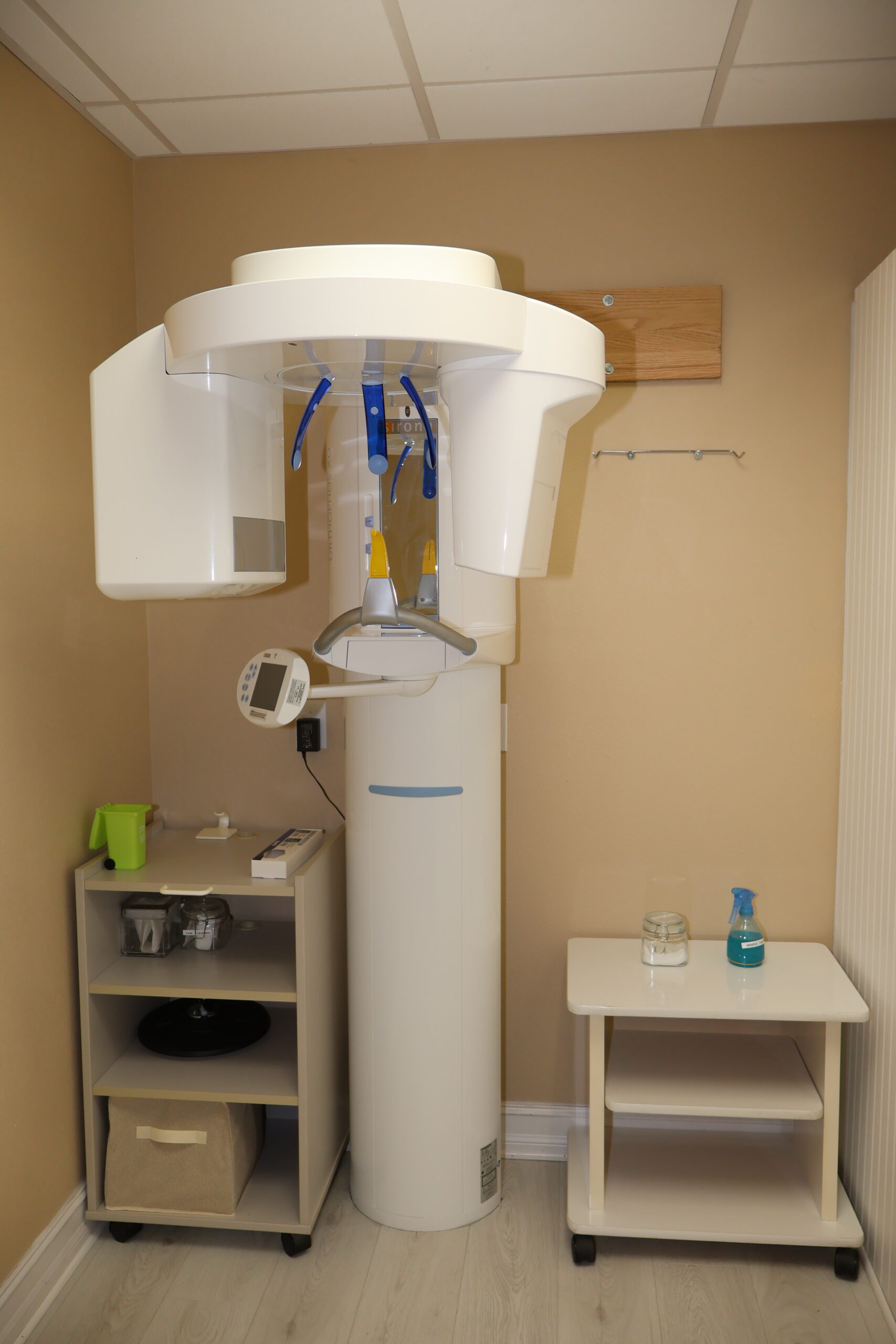
Our panoramic imaging system helps capture a broad view of your oral structures in a single scan. This can support planning for restorative work and help us evaluate conditions that may involve multiple areas, such as bite alignment, jaw considerations, or impacted teeth.
When combined with digital records, panoramic imaging supports thorough documentation and efficient follow-through, helping keep treatment planning organized and informed.
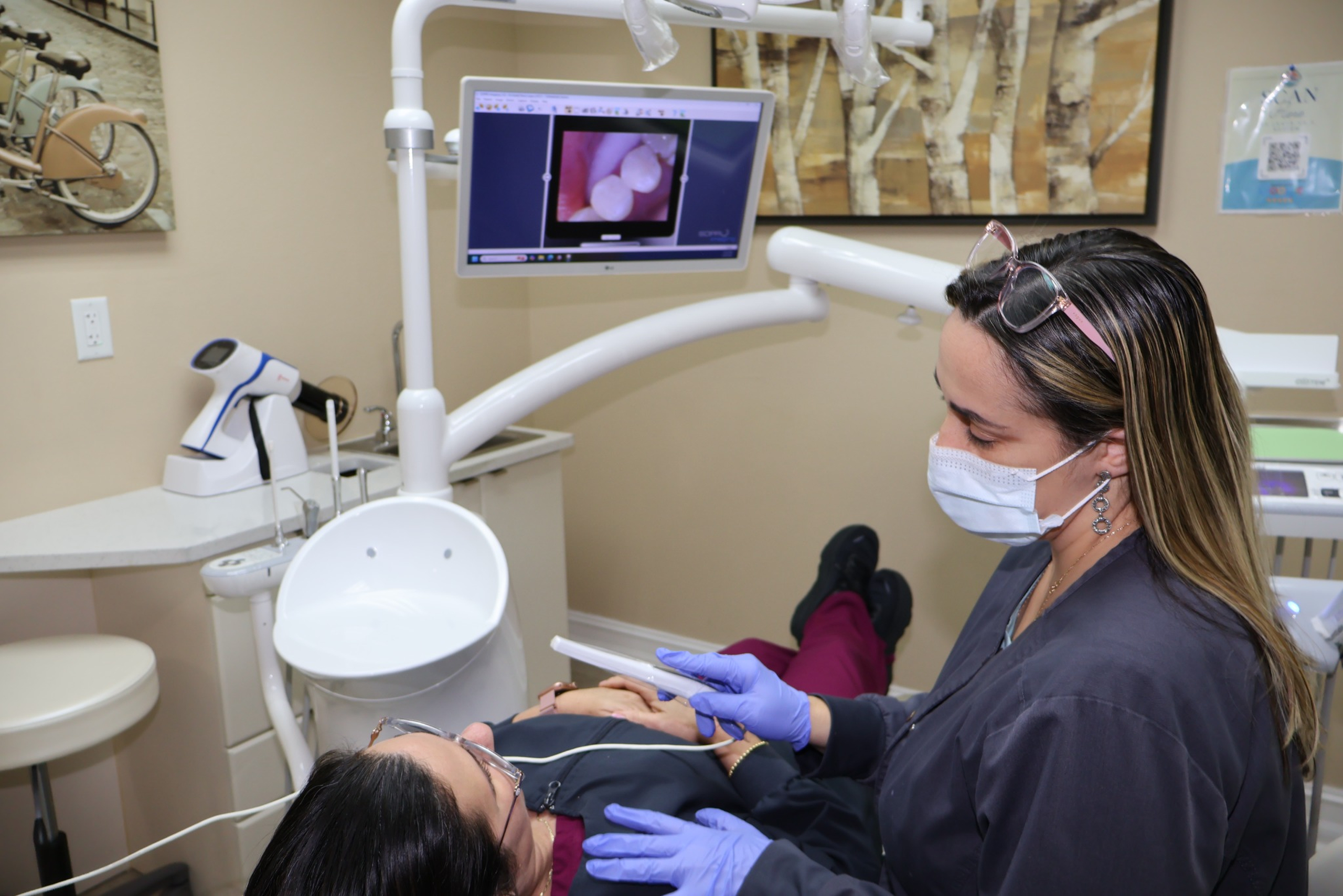
About the size of a marker, intraoral cameras capture high-resolution images of your teeth, gums, and hard-to-see areas. These magnified visuals help you understand what’s happening in your mouth and why a treatment recommendation may be important.
Because images appear in real time, the intraoral camera can also reduce time in the chair—making your visit more efficient while improving clarity and confidence.
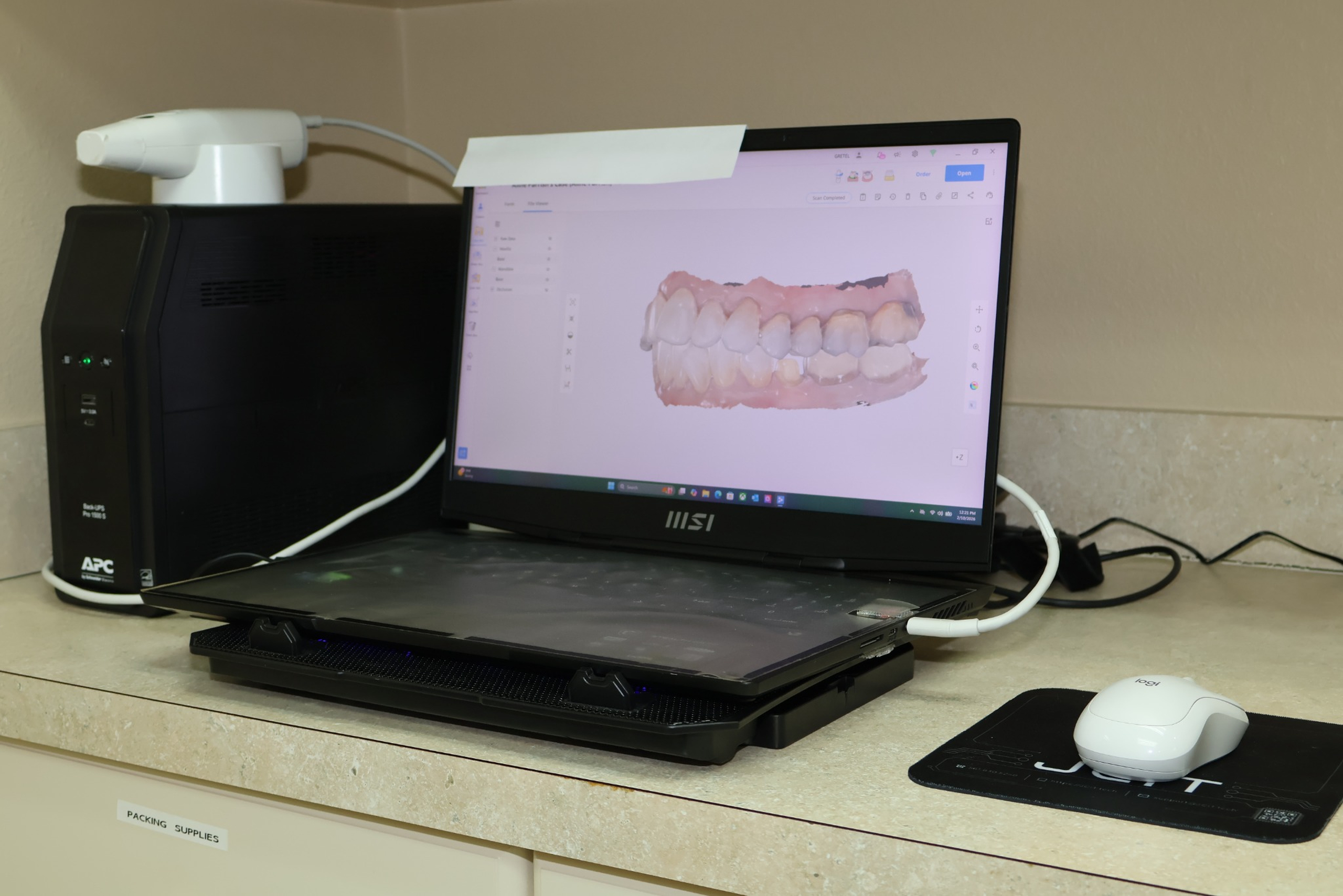
Medit is a modern digital scanning system that captures a complete oral impression without traditional molds. The process is comfortable, non-invasive, and designed to be fast—helping many patients be in and out of the office in just a few minutes.
It’s also environmentally friendly because it reduces the need for impression materials and related waste. Instant digital images support clearer planning, smoother case communication, and efficient next steps when restorations are needed.
Laser dentistry is one of the most exciting advancements in modern dental care. Lasers support highly precise work on soft tissues and can help make certain procedures more comfortable, with reduced swelling and faster healing for many patients.
Diode lasers are commonly used for soft tissue procedures and are valued for accuracy and control. They can be helpful for periodontal care, sterilizing endodontic canals, and enhancing whitening procedures. Their portability and precise settings allow for careful treatment in delicate areas.
The BIOLASE Epic X is a state-of-the-art diode laser with preset procedures and recommended settings that allow our team to work efficiently while staying consistent. Specialized single-use tips help reach different areas of the mouth with clean, controlled access. It also offers options for bio-stimulation support for comfort-focused care and laser-assisted whitening for patients who want in-office whitening enhancements.
Modern Dentistry Starts With Better Technology
If you’re looking for a dentist in Punta Gorda who combines advanced tools with a patient-first approach, we’re here for you. From clearer imaging to faster scanning and precision laser options, our technology is chosen to make your care more efficient, more comfortable, and more predictable—so you can feel confident at every step.
Have questions about the technology we use or want to schedule your visit? Reach out today and our team will help you choose the right next step.