
Oral cancer can develop in different areas of the mouth and throat—such as the lips, tongue, cheeks, the floor and roof of the mouth, and the back of the throat. The good news is that early detection makes a major difference. That’s why routine dental visits include a careful screening of the oral tissues—not just your teeth.
Call or text: (941) 637-0101
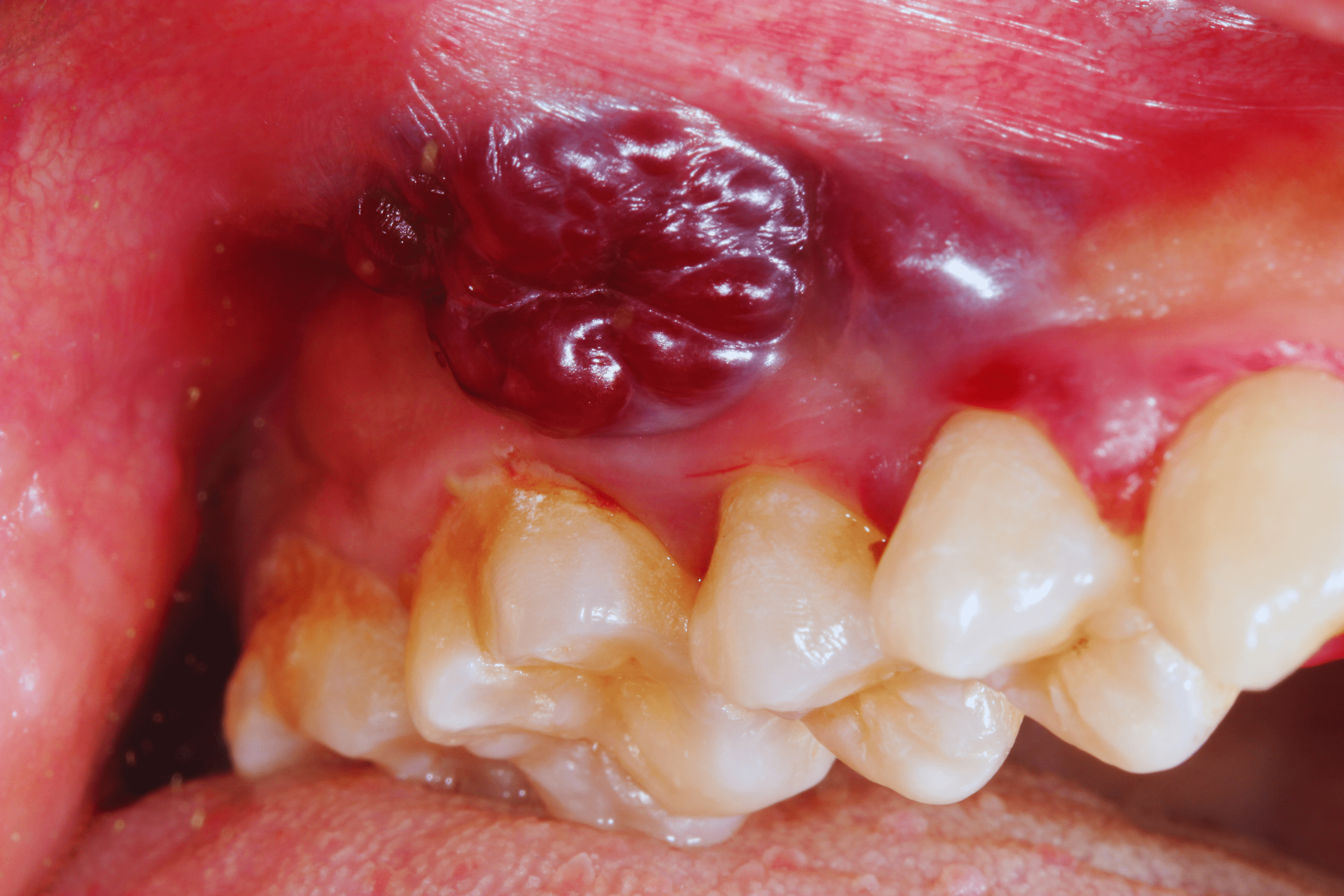
Oral cancer is a type of cancer that can affect the soft tissues of the mouth and throat. It may occur on the lips, tongue, cheeks, gums, roof or floor of the mouth, and the back of the throat. Even though it’s not common, it’s serious enough that we treat screening as an important part of routine care.
Many early changes in the mouth are small and easy to miss at home—so regular checkups give us the chance to identify concerns sooner rather than later.
If you notice a sore, patch, or lump in your mouth that doesn’t improve within two weeks, it’s worth having it evaluated.

Certain lifestyle factors can raise risk, especially long-term tobacco use and heavy alcohol use. Another important topic is HPV (human papillomavirus), a virus that is associated with cancers in the throat area (often toward the back of the mouth and throat).
Risk is personal—some people have few risk factors, while others may have family history or habits that increase concern. Either way, screening is quick and helps us stay proactive.
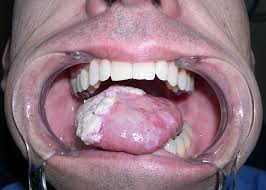
The most frequent locations include the tongue (especially the sides), the floor of the mouth, the soft palate area, the lips, and the back of the throat. Changes can also appear on the cheeks or roof of the mouth.
Keep in mind: not every bump or sore is cancer. Irritation, infections, a trapped food fragment, or a dental abscess can also cause swelling. The key is getting anything unusual checked if it doesn’t resolve.
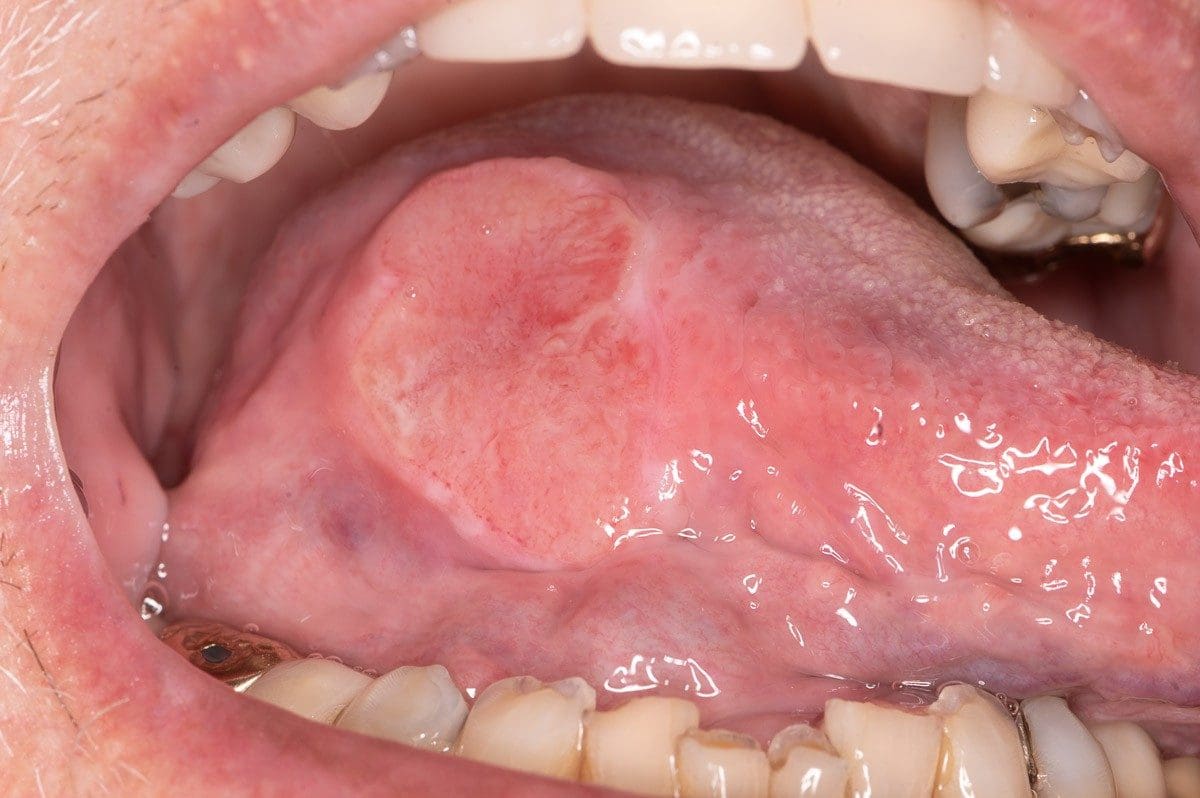
Early symptoms are often subtle. Many begin as a small ulcer, blister-like spot, or an area that looks like a white patch or red patch. Some are painless at first. Others may feel tender, numb, or irritated.
• A sore that bleeds easily or doesn’t heal
• A lump, thickened area, or rough patch
• Ongoing pain, tenderness, or numbness of the lips or mouth
• Difficulty chewing, swallowing, speaking, or moving the jaw/tongue
• A persistent “something feels off” area that does not improve
Oral cancer screening is part of a complete dental examination. We review your health history, medications, allergies, and lifestyle habits (such as tobacco and alcohol exposure). We also ask about any pain, irritation, or changes you’ve noticed.
If anything looks unusual, we examine the head and neck for swelling or asymmetry, check lymph node areas, and carefully inspect the lips and all oral soft tissues—especially higher-risk areas like the sides of the tongue, the floor of the mouth, and the soft palate region.
We look for changes in color or texture, persistent sores, unusual thickening, and anything that seems inconsistent with normal healing or everyday irritation.
If a screening suggests a concern, the next step is getting a clear diagnosis. Depending on what we see, we may recommend monitoring the area, taking photos for comparison, or referring you for further evaluation and possible biopsy.
Some offices also use adjunctive tools (such as enhanced-light devices) to help identify tissue changes that may be harder to see under normal light. These tools do not replace diagnosis, but they can support clinical decision-making.
Treatment depends on the stage and location. In many cases, treatment involves removing the lesion surgically. Some cases also require radiation therapy, chemotherapy, or a combination—especially when disease is more advanced.
This is why early discovery matters so much: smaller, early-stage lesions are often much easier to treat, with far better outcomes.
You can reduce risk by avoiding tobacco products, limiting alcohol, maintaining a balanced diet, and protecting your lips and skin by reducing excessive sun exposure. Most importantly, stay consistent with routine dental exams so screenings happen regularly.
When oral cancer is identified early, treatment is often more straightforward and the likelihood of successful outcomes is much higher. Waiting until symptoms become severe can lead to more extensive treatment needs.
Questions or ready to schedule, call (941) 637-0101