
Dental implants are one of the most reliable ways to replace missing teeth with a result that looks, feels, and functions close to a natural tooth. At Diamond Dental Arts, we use modern planning and precise placement to help you restore your bite, protect jawbone health, and smile with confidence again.
Call or text: (941) 637-0101
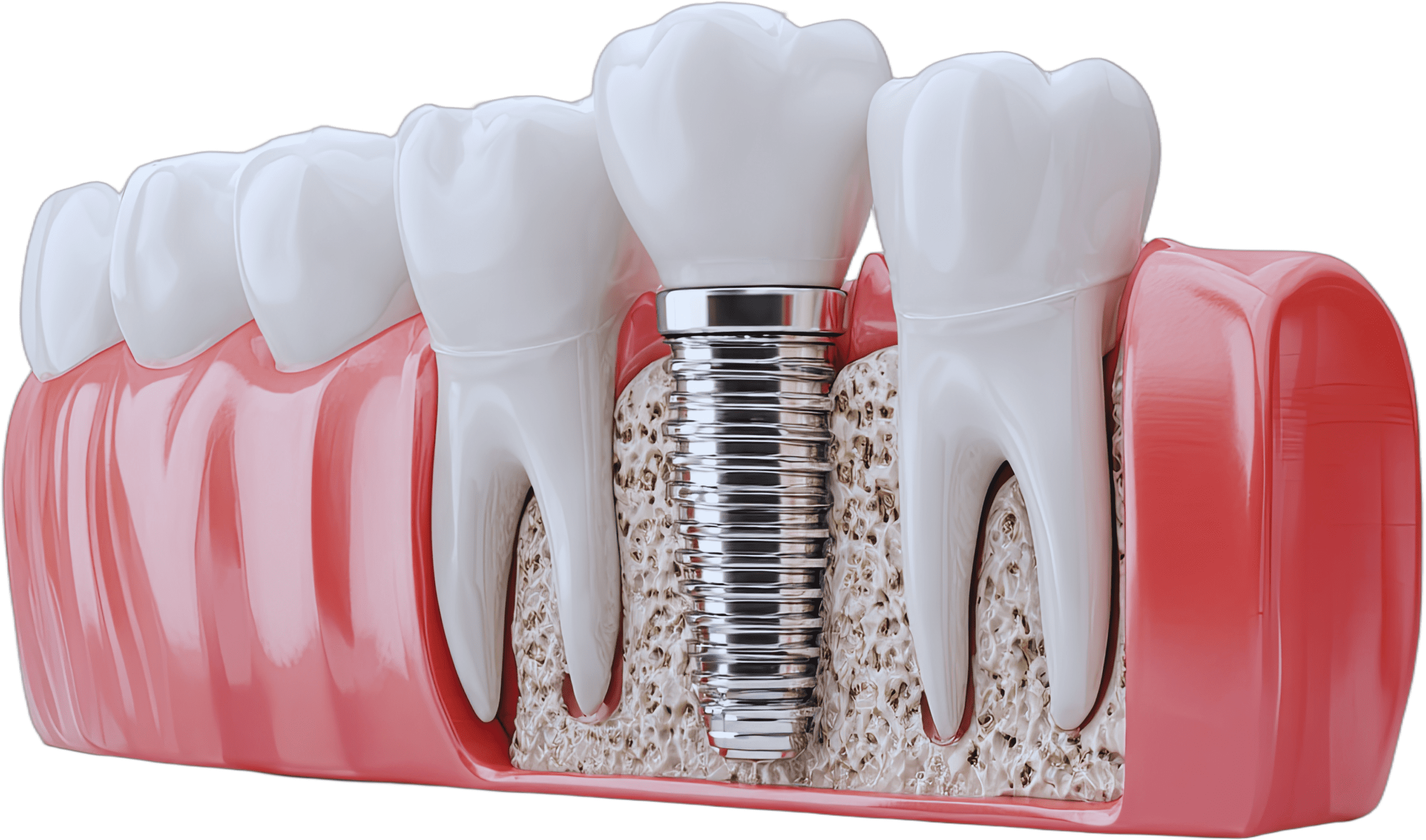
A dental implant is a permanent tooth replacement option designed to mimic the structure of a natural tooth. The implant “root” is placed in the jawbone and later supports a custom crown that looks like a real tooth. Compared to other replacement options, implants are often the closest substitute to a natural tooth in strength and feel.
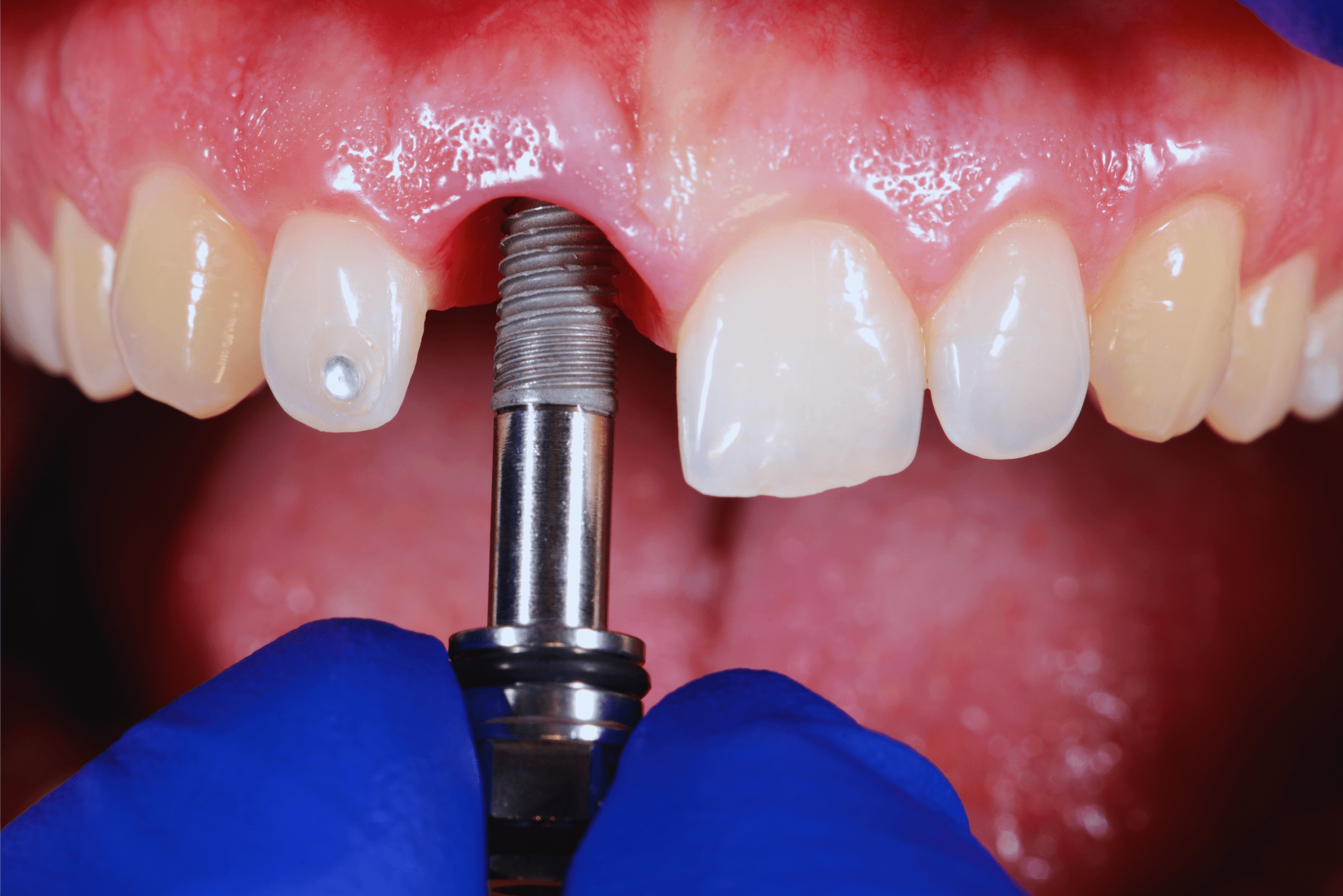
Implants work by allowing the bone to hold a titanium post securely—similar to how bone holds natural tooth roots. During placement, the area is numbed, and the implant is positioned into the bone. After the site is closed, the implant needs time to integrate with the jaw. In many cases, this healing and integration phase takes about four months in the lower jaw and about five months in the upper jaw. Once integration is complete, a custom tooth is made and attached to the implant.
Many adults missing one or more teeth can be candidates for dental implants. Candidacy depends more on overall health and healing ability than age. For example, uncontrolled diabetes, certain autoimmune conditions, recent radiation or chemotherapy involving facial bones, or very low bone volume may require additional planning. Smoking can also reduce success because it can interfere with healing and bone integration.
The best way to know is through an evaluation. We review your medical history and take the right images to see how much bone is available, then outline your safest options.
Mini implants are narrower and are often used to improve denture stability by providing extra retention. They can be a more budget-friendly option in certain situations, but their use is more limited and they are not always ideal for every location.
Full-size implants have a wider surface and are designed to replace a missing tooth with stronger long term support. They can be used in more areas of the mouth and are typically the preferred option when replacing individual teeth or supporting bridges.
The implant journey usually follows a clear sequence:
We examine your mouth and take x-rays to confirm bone availability and identify any factors that may affect healing. Then we create a treatment plan based on your goals and the condition of the area.
The area is numbed, the implant is placed into the bone, and the site is closed with stitches if needed. Many patients describe the procedure as easier than expected—often comparable to routine dental treatment.
The implant needs time to fuse with the bone. In many cases this is about four months for the lower jaw and five months for the upper jaw. If an extraction or bone graft is required first, the total timeline can be longer.
Once the implant is fully integrated, we take impressions so the lab can create a crown that matches your smile and bite. At the final visit, the crown is attached to the implant to complete the tooth replacement.
Depending on your starting condition, the full process can take several months—and in more complex cases up to a year. The goal is to do it correctly so your final result is stable and built to last.
Bone grafting may be recommended when there is not enough strong bone to support an implant. This can happen when a tooth has been missing for a long time and the bone has thinned, or right after an extraction if the socket needs support to preserve the area. A graft helps maintain the foundation so the implant has the best chance of long term success.
Most patients have a smooth recovery after implant placement. It is common to have mild soreness for a couple of days, sometimes up to a week. Over-the-counter medications like Tylenol are often enough for comfort (use only as directed and if medically safe for you). We’ll provide personalized instructions for eating, cleaning the area, and protecting the site while it heals.
With good home care and consistent professional maintenance, dental implants can last many years and potentially a lifetime. Implants do not get cavities because the implant is titanium, but the gum and bone around an implant can become infected. This infection is called peri-implantitis and is often linked to plaque buildup and inflammation. Brushing, flossing, and regular dental visits are essential for keeping the implant healthy long term.
Implant treatment can be a significant investment because it involves surgical placement, precision planning, and lab-made custom parts. Many insurance plans provide limited coverage for implants, although they may contribute toward exams, x-rays, or related procedures. If cost is a concern, ask our team about payment and financing options so you can plan comfortably.
Questions or ready to schedule, call (941) 637-0101